

Discover a practical 21-day diet plan featuring balanced meals, nutritious foods, simple daily habits, and easy recipes to help support healthy weight management.
Are you looking for a simple way to improve your eating habits, feel more energetic, and work toward your weight-management goals?
You don’t need complicated recipes, expensive ingredients, or extreme dieting to get started.
A balanced 21-day eating plan can help you establish healthier routines, manage portions, and make nutritious food choices consistently.
In this guide, you’ll discover a complete 21-day meal plan with breakfast, lunch, dinner, snacks, hydration tips, and daily activity recommendations.
Whether you’re just beginning your fitness journey or looking to improve your current routine, this plan provides a simple starting point.

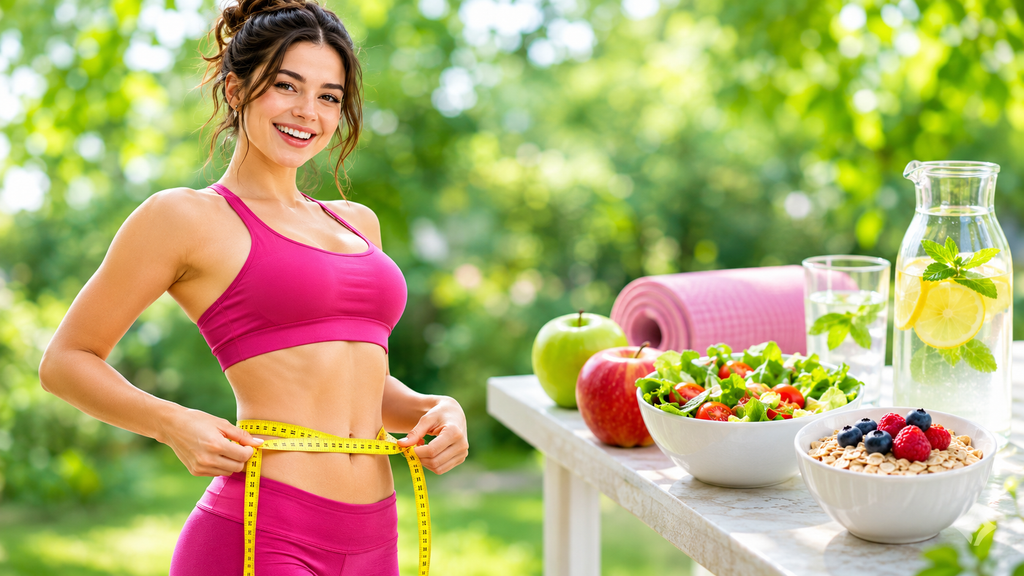
What Is the 21-Day Weight Loss Plan?
The 21-day weight loss plan is a structured approach to healthier eating and daily activity.
It focuses on five simple principles:
- Eating balanced meals with protein, fiber, and healthy fats.
- Choosing whole foods instead of heavily processed snacks.
- Drinking enough water throughout the day.
- Staying physically active.
- Developing consistent eating and sleeping habits.
The goal is to build sustainable habits rather than follow a restrictive crash diet.
Important: The popular claim of losing 9 kg in 21 days is not a guaranteed or appropriate target for everyone. Healthy weight changes vary based on individual circumstances. A gradual approach is generally more sustainable.
The Complete 21-Day Weight Loss Meal Plan
This plan includes three weeks of meal ideas. Adjust portions according to your age, activity level, appetite, and nutritional needs.
Week 1: Build Healthy Eating Habits
The first week focuses on introducing nutritious foods, regular meals, and better hydration.
Day 1 – Start Fresh
Breakfast
- Oatmeal with milk or unsweetened yogurt.
- One small banana.
- A few almonds.
Morning Snack
- One apple.
Lunch
- Grilled chicken breast or tofu.
- Brown rice.
- Fresh cucumber salad.
Afternoon Snack
- Plain yogurt.
Dinner
- Vegetable soup.
- Two small whole-wheat rotis.
- Mixed vegetable salad.
Day 2 – Focus on Protein
Breakfast
- Two boiled eggs or paneer.
- Whole-grain toast.
- Unsweetened tea.
Morning Snack
- One orange.
Lunch
- Grilled fish or chickpeas.
- Steamed vegetables.
- A small serving of rice.
Afternoon Snack
- A handful of roasted chickpeas.
Dinner
- Lentil soup.
- Vegetable salad.
- One or two small rotis.
Day 3 – Add More Fiber
Breakfast
- Plain Greek yogurt.
- Oats.
- Fresh berries or seasonal fruit.
Morning Snack
- One guava.
Lunch
- Chicken or rajma.
- Brown rice.
- Cucumber and carrot salad.
Afternoon Snack
- A few walnuts.
Dinner
- Vegetable omelet or tofu.
- Sautéed vegetables.
- Whole-grain toast.
Day 4 – Keep It Balanced
Breakfast
- Vegetable poha.
- Plain yogurt.
Morning Snack
- One apple.
Lunch
- Grilled chicken or paneer.
- Whole-wheat roti.
- Green vegetable sabzi.
Afternoon Snack
- Buttermilk without added sugar.
Dinner
- Moong dal soup.
- Mixed vegetable salad.
- One small roti.
Day 5 – Simple and Nutritious Menu
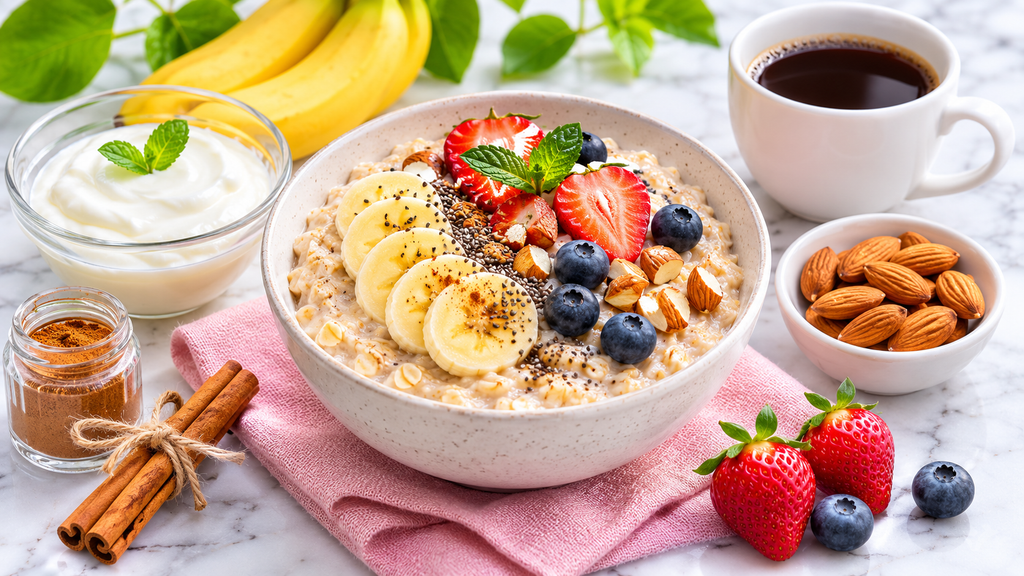
This is the menu featured in our Day 5 Pinterest inspiration.
Breakfast
- Oatmeal – 40 g.
- Natural yogurt.
- Cinnamon.
- Coffee or tea without added sugar.
Morning Snack
- One fresh apple.
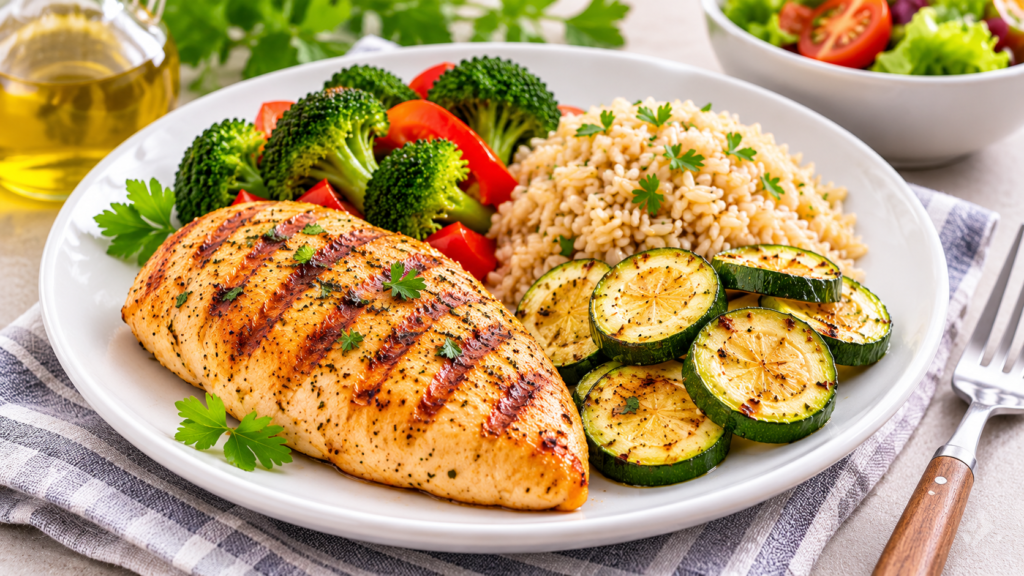
Lunch
- Chicken breast – approximately 150 g.
- Baked zucchini.
- Herbs and spices for flavor.
Vegetarian alternative: Grilled tofu or paneer.
Afternoon Snack
- One small bowl of plain yogurt.
- A few blueberries if available.
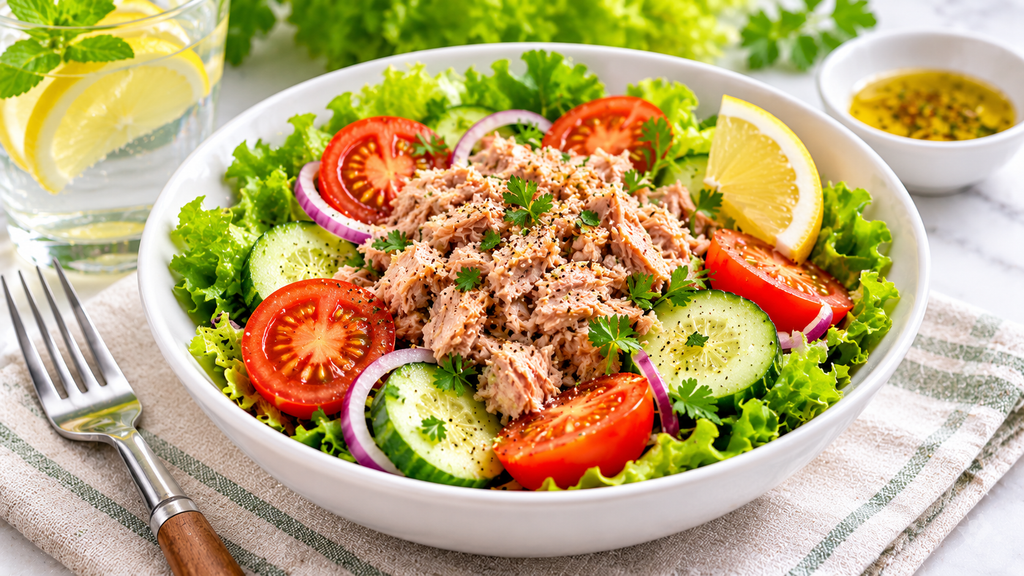
Dinner
- Tuna in water.
- Cucumber and tomato salad.
- Leafy greens.
Vegetarian alternative: Chickpeas or grilled tofu.
Day 6 – Choose Whole Foods
Breakfast
- Two eggs or paneer bhurji.
- Whole-wheat toast.
- One small fruit.
Morning Snack
- One pear.
Lunch
- Grilled fish or tofu.
- Quinoa or brown rice.
- Steamed broccoli.
Afternoon Snack
- Roasted makhana.
Dinner
- Mixed vegetable soup.
- Lentils.
- Fresh salad.
Day 7 – A Balanced Weekend
Breakfast
- Vegetable oats.
- Plain yogurt.
Morning Snack
- One seasonal fruit.
Lunch
- Homemade chicken curry or chickpea curry.
- Two small whole-wheat rotis.
- Cucumber salad.
Afternoon Snack
- A handful of almonds.
Dinner
- Grilled vegetables.
- Paneer or chicken.
- Light lentil soup.
Week 2: Continue Building Momentum
During the second week, continue eating balanced meals while including different sources of protein, vegetables, and healthy fats.
Day 8 – Protein-Rich Breakfast
Breakfast
- Vegetable omelet.
- Whole-grain toast.
Snack
- One apple.
Lunch
- Grilled chicken or tofu.
- Brown rice.
- Green vegetables.
Snack
- Plain yogurt.
Dinner
- Lentil soup.
- Vegetable salad.
- Whole-wheat roti.
Day 9 – Fresh and Colorful Foods
Breakfast
- Oatmeal with banana.
- Cinnamon.
- A few walnuts.
Snack
- One orange.
Lunch
- Chickpea salad with cucumber, tomatoes, and lemon.
- Whole-wheat roti.
Snack
- Roasted chickpeas.
Dinner
- Grilled fish or paneer.
- Steamed vegetables.
Day 10 – Fiber-Focused Meals
Breakfast
- Plain yogurt with oats and fruit.
Snack
- One guava.
Lunch
- Rajma.
- Brown rice.
- Fresh salad.
Snack
- A few almonds.
Dinner
- Vegetable soup.
- Grilled tofu or chicken.
Day 11 – Keep Meals Simple
Breakfast
- Vegetable poha.
- Plain yogurt.
Snack
- One pear.
Lunch
- Chicken breast or paneer.
- Whole-wheat roti.
- Mixed vegetable sabzi.
Snack
- Buttermilk.
Dinner
- Moong dal.
- Cucumber and tomato salad.
Day 12 – Healthy Food Choices
Breakfast
- Two boiled eggs or tofu scramble.
- Whole-grain toast.
Snack
- One apple.
Lunch
- Grilled fish or chickpeas.
- Brown rice.
- Steamed vegetables.
Snack
- Plain yogurt.
Dinner
- Vegetable khichdi.
- Fresh cucumber salad.
Day 13 – Add Variety
Breakfast
- Oatmeal with milk.
- Seasonal fruit.
- Chia seeds.
Snack
- A small handful of nuts.
Lunch
- Homemade chicken curry or mixed lentil curry.
- Whole-wheat roti.
- Green salad.
Snack
- One orange.
Dinner
- Grilled paneer or tofu.
- Roasted vegetables.
Day 14 – Review Your Progress
Breakfast
- Vegetable omelet or paneer bhurji.
- Whole-grain toast.
Snack
- One seasonal fruit.
Lunch
- Grilled chicken or rajma.
- Brown rice.
- Vegetable salad.
Snack
- Plain yogurt.
Dinner
- Lentil soup.
- Mixed vegetables.
- One small roti.
Week 3: Make Healthy Habits Consistent
The final week is about maintaining consistency and finding meals you can continue enjoying after the challenge.
Day 15 – A Fresh Start
Breakfast
- Oatmeal with banana and cinnamon.
Snack
- One apple.
Lunch
- Grilled chicken or tofu.
- Quinoa or brown rice.
- Cucumber salad.
Snack
- Plain yogurt.
Dinner
- Vegetable soup.
- Whole-wheat roti.
- Lentils.
Day 16 – Balanced Nutrition
Breakfast
- Two boiled eggs or paneer.
- Whole-grain toast.
Snack
- One orange.
Lunch
- Chickpea curry.
- Brown rice.
- Green vegetables.
Snack
- Roasted makhana.
Dinner
- Grilled fish or tofu.
- Vegetable salad.
Day 17 – Eat More Vegetables
Breakfast
- Vegetable oats.
- Plain yogurt.
Snack
- One guava.
Lunch
- Chicken breast or paneer.
- Whole-wheat roti.
- Mixed vegetable sabzi.
Snack
- A handful of walnuts.
Dinner
- Moong dal soup.
- Fresh salad.
Day 18 – Keep Your Meals Colorful
Breakfast
- Greek yogurt.
- Oats.
- Seasonal fruit.
Snack
- One apple.
Lunch
- Rajma or grilled chicken.
- Brown rice.
- Cucumber salad.
Snack
- Buttermilk.
Dinner
- Vegetable omelet or tofu.
- Sautéed vegetables.
Day 19 – Choose Nutritious Snacks
Breakfast
- Vegetable poha.
- Plain yogurt.
Snack
- One pear.
Lunch
- Grilled fish or paneer.
- Whole-wheat roti.
- Mixed vegetables.
Snack
- Roasted chickpeas.
Dinner
- Lentil soup.
- Vegetable salad.
- Small serving of rice.
Day 20 – Stay Consistent
Breakfast
- Oatmeal with milk.
- A few almonds.
- Fresh fruit.
Snack
- One orange.
Lunch
- Chicken or chickpea salad.
- Brown rice.
Snack
- Plain yogurt.
Dinner
- Vegetable khichdi.
- Cucumber salad.
Day 21 – Complete Your Challenge
Breakfast
- Two eggs or paneer bhurji.
- Whole-grain toast.
- Seasonal fruit.
Snack
- One apple.
Lunch
- Grilled chicken or tofu.
- Brown rice.
- Steamed vegetables.
Snack
- Plain yogurt with a few berries.
Dinner
- Vegetable soup.
- Grilled paneer or fish.
- Fresh salad.
Congratulations on completing your 21-day healthy eating challenge!
Remember that healthy habits should continue beyond these three weeks.
7 Daily Habits to Support Your Weight Management Goals
Food choices are important, but your daily routine also plays a role in your overall health.
1. Drink Enough Water
Water supports normal body functions and helps maintain hydration.
Keep a water bottle nearby and drink regularly throughout the day. Your individual needs depend on your activity, climate, and health.
2. Include Protein in Your Meals
Protein helps maintain muscle and supports normal body functions.
Good choices include:
- Eggs.
- Chicken.
- Fish.
- Greek yogurt.
- Paneer.
- Tofu.
- Lentils.
- Chickpeas.
3. Eat More Fiber-Rich Foods
Fiber helps support digestive health and can help you feel satisfied after meals.
Include:
- Oats.
- Beans.
- Lentils.
- Fruits.
- Vegetables.
- Whole grains.
4. Reduce Sugary Drinks
Choose water, unsweetened tea, or plain coffee more often.
You don’t need to eliminate every food you enjoy. Focus on making healthier choices consistently.
5. Walk Every Day
Walking is an accessible way to increase daily physical activity.
Start with 15–20 minutes if you’re a beginner and gradually work toward 30 minutes or more as your fitness improves.

6. Get Enough Sleep
Good sleep supports overall health, recovery, and appetite regulation.
Most adults should aim for approximately 7–9 hours of sleep each night.
7. Avoid Extreme Dieting
Skipping meals, starving yourself, or following extremely restrictive diets can make it difficult to meet your nutritional needs.
Eat enough to support your body and choose a plan you can maintain.
Grocery Shopping List for the 21-Day Plan
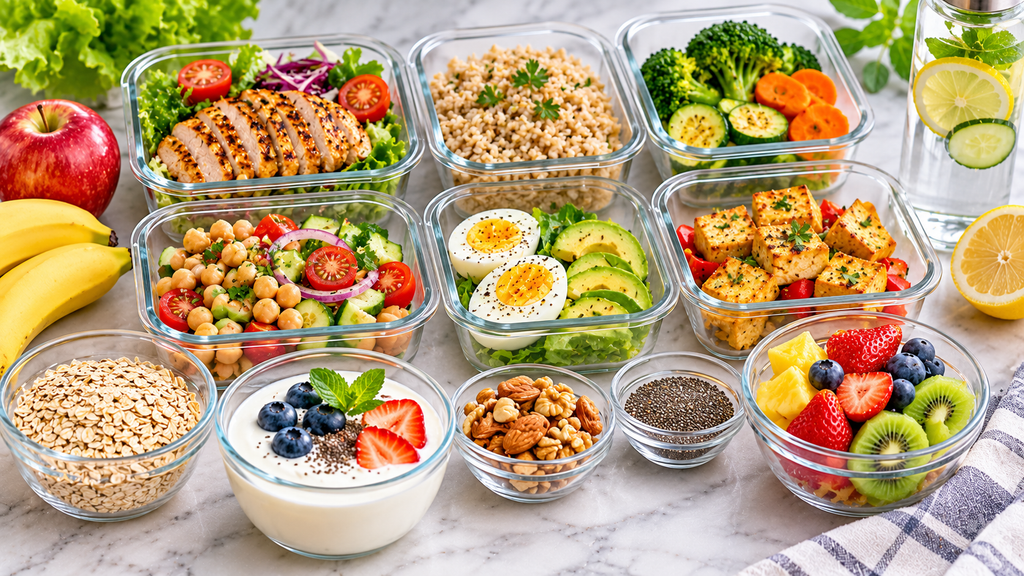
Preparing your groceries in advance can make healthy eating easier.
Protein sources
- Eggs.
- Chicken breast.
- Fish or tuna.
- Plain yogurt.
- Paneer.
- Tofu.
- Lentils.
- Chickpeas.
Fruits
- Apples.
- Bananas.
- Oranges.
- Guava.
- Pears.
- Seasonal berries.
Vegetables
- Cucumber.
- Tomatoes.
- Zucchini.
- Spinach.
- Broccoli.
- Carrots.
- Lettuce.
- Other seasonal vegetables.
Healthy carbohydrates
- Oats.
- Brown rice.
- Whole-wheat flour.
- Quinoa.
- Whole-grain bread.
Healthy fats
- Almonds.
- Walnuts.
- Chia seeds.
- Olive oil.
Common Mistakes to Avoid During a 21-Day Challenge
Even a well-designed plan can become difficult if you make these common mistakes.
- Eating too little: Very low-calorie diets can lead to inadequate nutrition.
- Skipping protein: Include a suitable protein source in your main meals.
- Avoiding all carbohydrates: Whole grains, fruits, and legumes can be part of a balanced diet.
- Expecting instant results: Weight changes take time and vary between individuals.
- Ignoring strength training: Strength exercises can help maintain muscle.
- Not sleeping enough: Sleep is an important part of overall health.
- Giving up after one unhealthy meal: One meal doesn’t determine your overall progress. Simply return to your normal routine.
Frequently Asked Questions
Can I lose 9 kg in 21 days?
Losing 9 kg in 21 days is an aggressive target and is not realistic or safe for most people. Rapid changes on the scale may also reflect water loss rather than body fat. Focus on gradual, sustainable progress instead.
What should I eat for breakfast during a weight-loss journey?
Choose a balanced breakfast containing protein and fiber. Examples include oatmeal with yogurt, eggs with whole-grain toast, or vegetable poha with plain yogurt.
Can I follow this plan without going to the gym?
Yes. You can begin with walking, household activities, and simple bodyweight exercises. Increase activity gradually according to your fitness level.
Can vegetarians follow this 21-day plan?
Absolutely. Replace chicken and fish with paneer, tofu, lentils, chickpeas, beans, or other suitable vegetarian protein sources.
Can I drink coffee or tea?
Yes. Unsweetened coffee and tea can fit into a balanced eating routine. Be mindful of added sugar and cream.
What happens after 21 days?
Continue the habits that work for you. You can repeat your favorite meals, explore new nutritious recipes, and gradually build a sustainable exercise routine.
Final Thoughts: Your 21-Day Journey Starts Today
You don’t need to change everything overnight.
Start with small improvements: eat balanced meals, include more vegetables, drink enough water, walk regularly, and get sufficient sleep.
The most important goal is not reaching an arbitrary number on the weighing scale. It is building healthy habits that support your well-being over time.
Use this 21-day plan as a starting point, listen to your body, and celebrate the positive changes you make along the way.
Your journey toward healthier living starts with one simple step today!