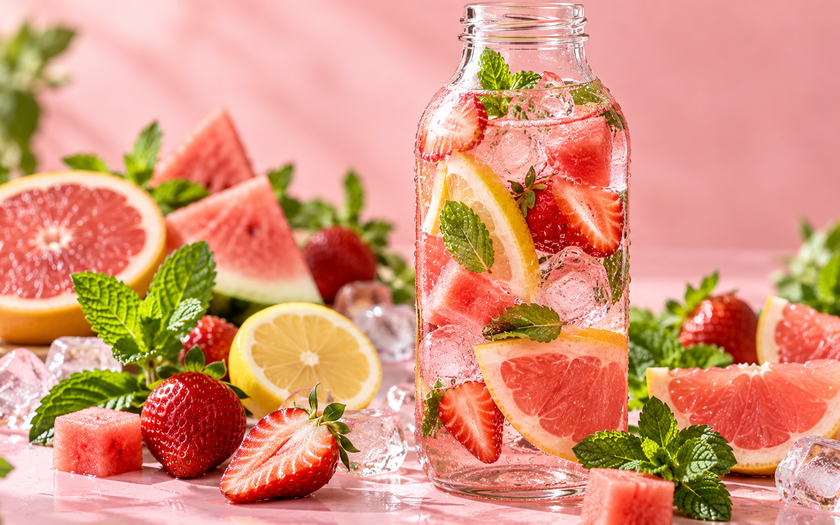
Pink Detox Water Recipe: A Refreshing Strawberry & Grapefruit Drink
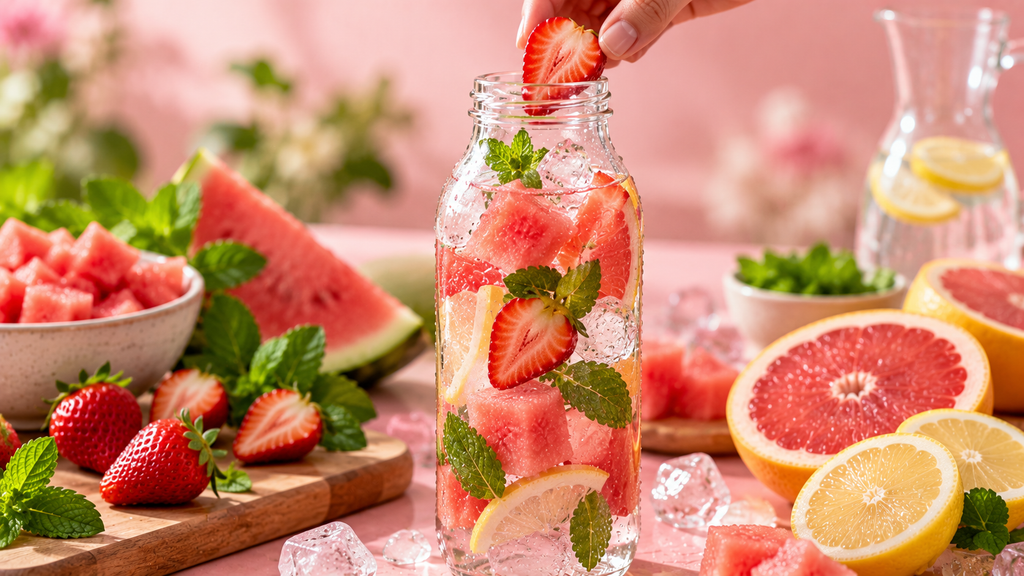
Looking for a refreshing drink to add more flavor to your daily hydration routine? This pink detox water recipe combines watermelon, pink grapefruit, strawberries, fresh mint, water, and optional ice for a colorful and refreshing beverage.
The recipe featured in the infographic is simple to prepare and can be enjoyed as part of a balanced wellness routine. While the term “detox water” is commonly used in wellness content, it is important to understand that infused water does not literally remove toxins from the body. Your liver and kidneys perform the body’s natural detoxification processes. Instead, fruit-infused water can be a flavorful way to make drinking water more enjoyable.
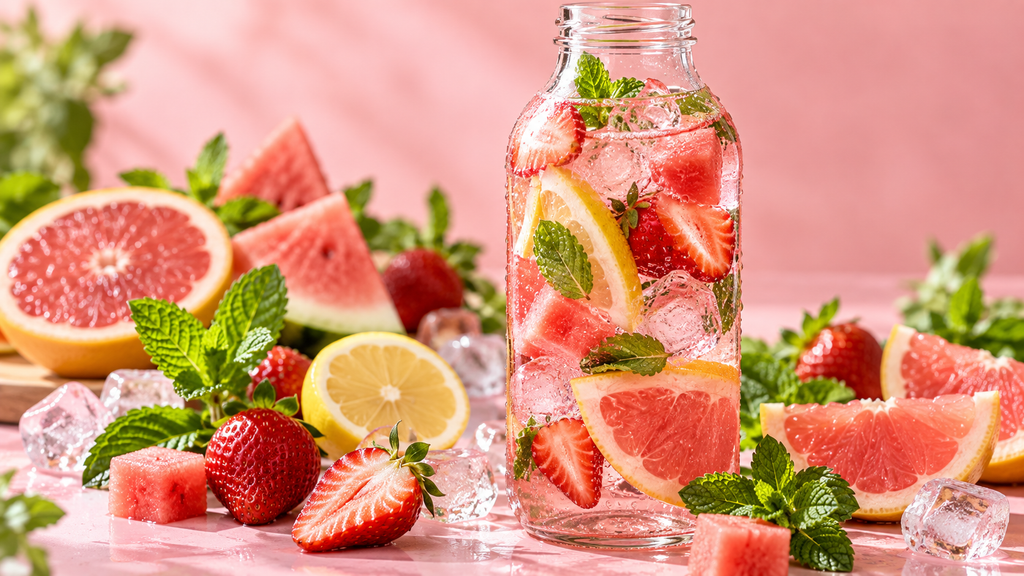
Pink Detox Water Ingredients
Here are the ingredients featured in the recipe:
- ½ cup watermelon
- ½ pink grapefruit
- 6–8 strawberries
- Fresh mint
- Water
- Ice, optional
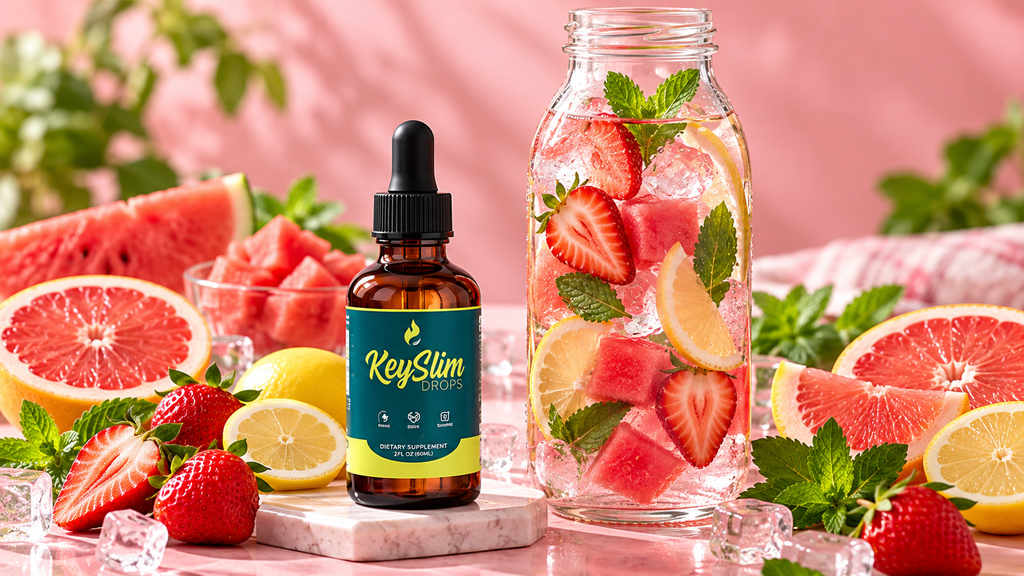
- KeySlim Drops, if you choose to use the product according to its label directions
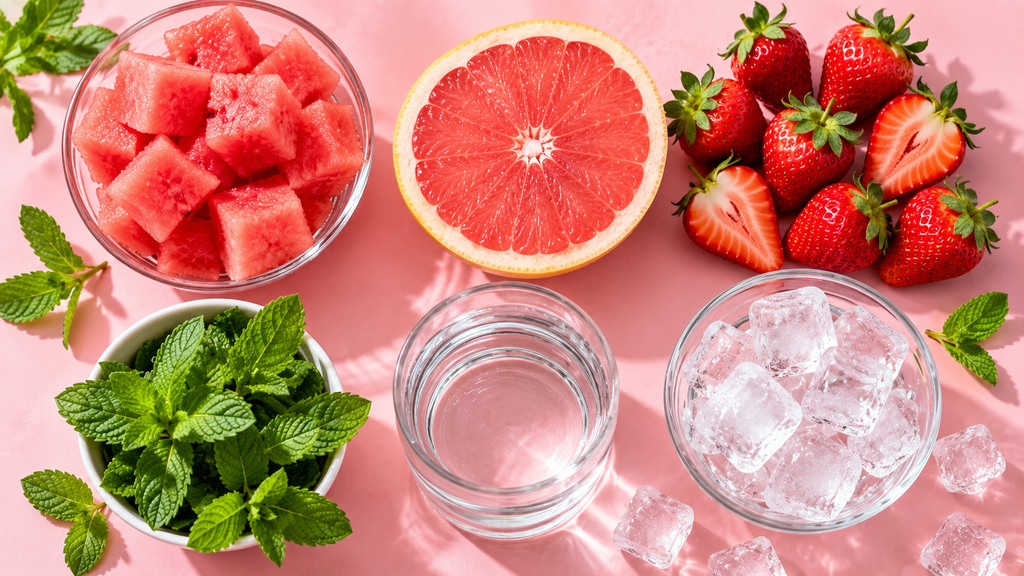
The combination creates a naturally colorful drink with fresh fruit flavors and a pleasant aroma from the mint.
How to Make Pink Detox Water
1. Prepare the Fruit
Start by washing the strawberries, watermelon, grapefruit, and mint thoroughly.
Cut the watermelon into small cubes. Slice the strawberries in half or into smaller pieces. Cut the grapefruit into thin slices or small wedges.
If you prefer a stronger citrus flavor, you can gently squeeze a small amount of grapefruit juice into the water before adding the slices.
2. Add the Ingredients
Place the watermelon, strawberries, grapefruit slices, and fresh mint into a large glass bottle or pitcher.
Avoid crushing the fruit too aggressively. Keeping some of the fruit pieces intact creates a more attractive presentation and allows the water to gradually take on the fruit’s flavor.
3. Add Water
Fill the bottle or pitcher with cold drinking water.
For an especially refreshing drink, use chilled water. You can also add a few ice cubes if desired.
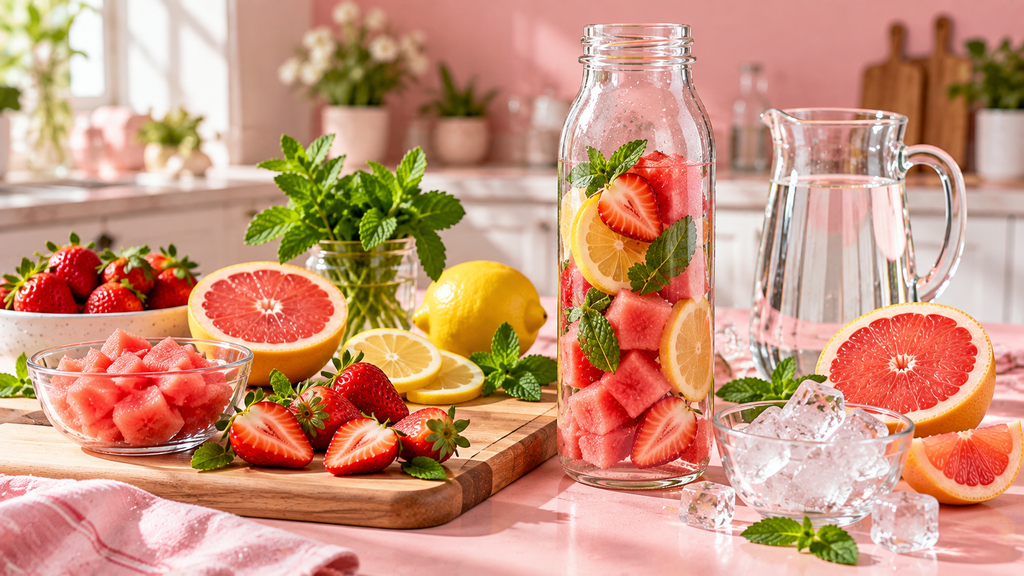
4. Let It Infuse
Place the drink in the refrigerator for approximately 30 minutes to a few hours.
The longer it sits, the more noticeable the fruit flavors can become. If you are preparing it ahead of time, keep it refrigerated.
5. Serve Fresh
Pour the infused water into a clear glass and add a few pieces of fruit or mint for presentation.
The combination of pink grapefruit, red strawberries, watermelon, and mint gives the drink its bright pink wellness-inspired appearance.
Why People Enjoy Fruit-Infused Water
One of the biggest advantages of infused water is that it can make plain water more appealing.
Some people find plain water boring, especially when trying to increase their daily fluid intake. Adding fruits and herbs can introduce flavor without turning the drink into a traditional sugary beverage.
Watermelon
Watermelon has a high water content and provides a naturally sweet flavor. It also contains nutrients such as vitamin C and potassium.
Strawberries
Strawberries add sweetness, color, and a fresh berry flavor. They are also a source of vitamin C and other plant compounds.
Pink Grapefruit
Grapefruit provides a bright citrus flavor and contains vitamin C. However, grapefruit can interact with certain medications, so people taking prescription medicines should check with a healthcare professional or pharmacist before consuming grapefruit regularly.
Fresh Mint
Mint adds a cooling aroma and refreshing flavor. A few fresh leaves can make the drink taste more vibrant without adding sugar.
Is Detox Water Good for Weight Management?
This is an important distinction.
Detox water itself is not a proven fat-burning drink. Simply adding fruit to water does not cause body fat to disappear or automatically increase metabolism.
However, replacing sugary beverages with unsweetened infused water can be a practical choice for people trying to reduce their overall intake of added sugars and calories.
For weight management, the bigger picture matters: a balanced diet, appropriate calorie intake, regular physical activity, adequate sleep, and consistent habits are more important than any single drink or recipe.
Adding KeySlim Drops to the Routine
If the KeySlim Drops product label specifically recommends taking two drops, you can incorporate the drops into your pink detox water routine by adding 2 drops to a glass of the prepared pink fruit-infused water.
Simply prepare the drink with watermelon, strawberries, pink grapefruit, fresh mint, water, and optional ice. Then add 2 drops of KeySlim Drops, stir gently, and enjoy according to the product’s directions.
Read Keyslim Review : KeySlim Drops Reviews 2026: Ingredients, Benefits, Results & What to Know Before Buying
For the best experience, use the product only as directed on its current label and avoid assuming that adding the drops to infused water increases their effectiveness. The pink detox water itself is primarily a refreshing way to enjoy hydration, while KeySlim Drops should be treated as a separate dietary supplement.
Tips for Making Better Infused Water
Use Fresh Ingredients
Fresh strawberries, watermelon, grapefruit, and mint generally provide the best flavor and appearance.
Keep It Chilled
Refrigerating the drink makes it especially refreshing and helps preserve the quality of the fruit.
Don’t Overdo the Fruit
You do not need a large amount of fruit to flavor water. Start with a small quantity and adjust according to your taste.
Try Different Combinations
You can experiment with combinations such as:
- Strawberry and lemon
- Cucumber and mint
- Watermelon and lime
- Orange and mint
- Strawberry and basil
Using different combinations can help keep hydration interesting.
How Long Can You Keep Infused Water?
Because fresh fruit is added to the water, it is best to keep the drink refrigerated and consume it relatively quickly rather than leaving it at room temperature for long periods.
If the fruit develops an unusual smell, appearance, or taste, discard the drink.
For convenience, prepare a smaller batch each day instead of making a very large quantity that sits for several days.
Final Thoughts
This pink detox water recipe is an easy way to make everyday hydration more colorful and flavorful. With watermelon, strawberries, pink grapefruit, fresh mint, water, and optional ice, you can create a refreshing drink with minimal preparation.
Although detox water should not be viewed as a magical detox or weight-loss solution, fruit-infused water can fit nicely into a healthy lifestyle—particularly when it helps you choose water instead of sugar-sweetened beverages.
If you are interested in KeySlim Drops, review the product’s current ingredients, directions, and safety information separately and use it only as directed on the label.
Read Keyslim Review : KeySlim Drops Reviews 2026: Ingredients, Benefits, Results & What to Know Before Buying
Important: This recipe and article are for general wellness information and are not medical advice. Infused water does not replace a balanced diet, medical treatment, or professional healthcare advice.