

15 Proven Weight Loss Tips That Actually Work
Losing weight doesn’t have to involve extreme diets or exhausting workout routines. While social media is full of quick fixes and miracle solutions, sustainable weight loss comes from building healthy habits that you can maintain over time.
In this guide, you’ll discover 15 proven weight loss tips supported by scientific research. Whether your goal is to lose belly fat, improve your metabolism, or maintain a healthier lifestyle, these practical strategies can help you achieve lasting results.


Table of Contents
Why Proven Weight Loss Tips Matter
Healthy weight loss is about improving your overall health—not simply lowering the number on the scale.
Gradual weight loss can help:
- Improve heart health
- Lower blood sugar levels
- Reduce inflammation
- Improve energy levels
- Support better sleep
- Lower the risk of chronic diseases
Experts generally recommend aiming to lose 1–2 pounds (0.5–1 kg) per week, which is considered a safe and sustainable pace.
These proven weight loss tips are backed by science and can help you lose weight naturally without following extreme diets.
Proven Weight Loss Tips #1: Eat More Protein
Protein helps keep you full longer and supports muscle maintenance while losing fat.
High-protein foods include:
- Eggs
- Chicken breast
- Greek yogurt
- Cottage cheese
- Fish
- Lentils
- Beans
Aim to include a quality protein source in every meal.

Proven Weight Loss Tips #2: Reduce Added Sugar
Sugary drinks, desserts, and processed snacks provide extra calories without keeping you satisfied.
Try replacing:
- Soda → Sparkling water
- Candy → Fresh fruit
- Sugary cereal → Oatmeal
One of the most effective proven weight loss tips is replacing processed foods with whole, nutrient-dense meals.
Reducing sugar intake can make it easier to maintain a calorie deficit.

3. Drink More Water
Drinking water before meals may help reduce appetite and prevent overeating.
Simple habit:
- Drink one glass of water 20–30 minutes before meals.
- Stay hydrated throughout the day.
Sometimes thirst is mistaken for hunger.

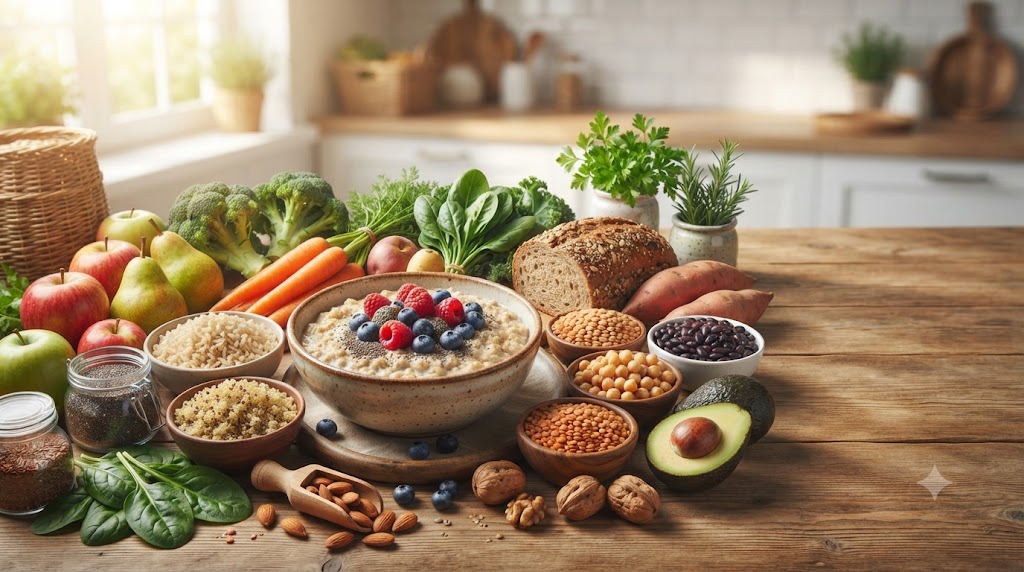
4. Increase Fiber Intake
Fiber slows digestion and helps you stay full longer.
Great fiber-rich foods include:
- Apples
- Broccoli
- Oats
- Chia seeds
- Lentils
- Berries
Adults should aim for approximately 25–38 grams of fiber daily.
5. Strength Train Regularly
Many people think cardio is the only way to lose weight.
In reality, resistance training helps preserve lean muscle while increasing daily calorie expenditure.
Aim for:
- 2–4 strength sessions each week.

6. Walk Every Day
Walking is one of the easiest and most effective forms of exercise.
Benefits include:
- Burns calories
- Improves cardiovascular health
- Lowers stress
- Suitable for most fitness levels
Start with 7,000–10,000 steps daily if possible.

7. Prioritize Sleep
Poor sleep can disrupt hormones that regulate hunger and fullness, making it harder to manage appetite.
Aim for:
- 7–9 hours of quality sleep each night.
A consistent sleep schedule also supports recovery and energy levels.
8. Manage Stress
Chronic stress can lead to emotional eating and make healthy habits harder to maintain.
Helpful strategies include:
- Meditation
- Yoga
- Deep breathing
- Journaling
- Spending time outdoors
Even a few minutes of relaxation each day can help.
9. Eat Mindfully
Avoid eating while:
- Watching TV
- Scrolling social media
- Working
Instead:
- Eat slowly.
- Chew thoroughly.
- Pay attention to hunger and fullness cues.
Mindful eating may help reduce overeating.
10. Avoid Liquid Calories
Many beverages are high in sugar and calories.
Limit:
- Soft drinks
- Sweetened coffee drinks
- Energy drinks
- Sugary juices
Choose:
- Water
- Unsweetened tea
- Black coffee (if appropriate)
- Sparkling water

11. Plan Your Meals
Meal planning reduces impulsive food choices and makes it easier to stay on track.
Prepare:
- Healthy lunches
- High-protein snacks
- Fresh fruits
- Vegetables
Planning ahead can save time and support your goals.
12. Don’t Skip Breakfast
Skipping breakfast isn’t necessary for weight loss and may leave some people feeling hungrier later in the day.
A balanced breakfast could include:
- Eggs
- Greek yogurt
- Oatmeal
- Fruit
- Nuts
Choose a meal that fits your appetite and routine.
13. Support Your Gut Health
Research continues to explore the connection between the gut microbiome and body weight. A diverse, healthy gut microbiome may play a role in digestion, appetite regulation, and overall metabolic health.
To support gut health:
- Eat more fiber-rich foods.
- Include fermented foods such as yogurt or kefir if they suit your diet.
- Limit highly processed foods.
While these proven weight loss tips form the foundation of healthy weight management, some people also choose supplements like LeanBiome to complement their routine.
Can LeanBiome Help?
Some people also choose to use supplements that focus on gut health. LeanBiome is a dietary supplement formulated with probiotic strains and plant-based ingredients designed to support a healthy gut microbiome and overall wellness.
According to the manufacturer, LeanBiome is intended to:
- Support a balanced gut microbiome
- Help reduce cravings
- Support healthy digestion
- Complement a healthy weight management plan
It’s important to remember that LeanBiome is not a magic solution for weight loss. Like any dietary supplement, it works best when combined with a balanced diet, regular physical activity, and healthy lifestyle habits. Individual results can vary, and claims about supplements should be interpreted with appropriate caution.


14. Stay Consistent
The best diet is the one you can maintain.
Small daily habits usually outperform short-term extreme diets.
Focus on:
- Progress over perfection
- Healthy routines
- Long-term consistency
Consistency is one of the strongest predictors of lasting weight management.
15. Track Your Progress
Tracking can help you stay motivated.
You can monitor:
- Body weight (weekly rather than daily if preferred)
- Waist measurements
- Progress photos
- Workout performance
- Energy levels
Remember that weight naturally fluctuates, so look for long-term trends rather than day-to-day changes.
Frequently Asked Questions
What are the best proven weight loss tips?
The best proven weight loss tips include eating more protein, increasing fiber intake, drinking more water, strength training, getting enough sleep, and staying physically active.
What is the fastest healthy way to lose weight?
A combination of a balanced calorie-controlled diet, regular exercise, adequate sleep, and consistency is generally considered the healthiest approach. Rapid weight loss methods are often difficult to sustain.
How much weight can I lose in a month?
Many health organizations consider losing 4–8 pounds (about 2–4 kg) per month to be a reasonable and sustainable goal for many adults, though results vary.
Do I need supplements to lose weight?
No. Most people can lose weight without supplements. Some individuals choose supplements as an addition to healthy lifestyle changes, but they should not replace nutritious eating or physical activity.
Does gut health affect weight?
Emerging research suggests the gut microbiome may influence metabolism and appetite, but the relationship is complex and still being studied. Supporting gut health through a balanced diet may contribute to overall well-being.
Final Thoughts
These proven weight loss tips are simple, science-backed, and sustainable. By applying these proven weight loss tips consistently, you can build healthier habits and support long-term weight management.
There is no single trick that guarantees weight loss, but there are many proven weight loss tips that can make a meaningful difference over time. Eating more protein, staying active, getting enough sleep, managing stress, and supporting gut health are practical habits that can contribute to sustainable results.
If you’re considering a supplement such as LeanBiome, use it as part of a broader healthy lifestyle rather than expecting it to work on its own. Combining nutritious eating, regular exercise, and consistent habits remains the most reliable path toward long-term weight management.
Start implementing these proven weight loss tips today, and if you’re looking for additional support, consider pairing them with a healthy diet, regular exercise, and products like LeanBiome as part of your overall wellness plan.
Scientific References
The recommendations in this article are based on current nutrition and weight-management research from respected health organizations and peer-reviewed studies.
1. Higher Protein Intake May Support Weight Loss
Higher-protein diets can increase feelings of fullness, help preserve lean muscle during calorie restriction, and may contribute to greater reductions in visceral (abdominal) fat when combined with an energy-restricted diet.
Reference:
2. Gut Health and Weight Management
Research supported by the U.S. National Institute of Diabetes and Digestive and Kidney Diseases (NIDDK) found that a high-fiber, microbiome-supporting diet altered gut microbial composition, increased satiety hormones, improved energy balance, and produced a small reduction in body fat compared with a typical Western diet.
Reference:
3. Dietary Fiber Supports Metabolic Health
Fiber-rich foods nourish beneficial gut bacteria, promote the production of short-chain fatty acids, and are associated with healthier body weight and improved metabolic function. Research also suggests that people consuming higher-fiber diets often have more diverse gut microbiomes.
References:
- Networking Gut Bacteria and Their Role in Body Weight (NIDDK)
- Designer Foods Target Microbiome to Boost Host Health (NIDDK)
4. Healthy Diet Quality Matters More Than Extreme Dieting
The U.S. National Institutes of Health highlights that diets emphasizing vegetables, whole foods, and minimally processed foods may help reduce calorie intake naturally and support long-term weight management more effectively than focusing solely on calorie counting.
Reference:
5. Obesity Is Influenced by Multiple Lifestyle Factors
The NIDDK notes that body weight regulation involves many interacting factors, including genetics, physical activity, sleep, circadian rhythms, eating patterns, inflammation, and the gut microbiome. Sustainable weight management generally requires addressing several of these factors rather than relying on a single strategy.
Reference:
6. Weight Loss Can Reverse Many Metabolic Changes
Studies have shown that even modest weight loss can improve metabolic health. Molecular changes linked to inflammation and metabolism often improve when excess weight is lost through healthy dietary interventions.
Reference:
Also Read
Losing Just 80 Minutes of Sleep a Night Could Make You Gain Weight, New Study Finds (2026)
Disclaimer
The information in this article is intended for educational purposes only and should not be considered medical advice. Individual responses to diet, exercise, or dietary supplements—including products such as LeanBiome—can vary. Always consult a qualified healthcare professional before beginning a new nutrition, exercise, or supplement program.