
What Common Food or Drink Is Secretly Terrible for Your Health?
Many foods marketed as “healthy” can actually contain ingredients that may negatively affect your health when consumed regularly. The problem isn’t always obvious because clever marketing often highlights one positive feature while hiding less desirable ingredients.
So, what common food or drink is secretly terrible for your health?
The answer isn’t a single item. Instead, several everyday foods and beverages deserve closer attention due to their high amounts of added sugar, refined carbohydrates, sodium, unhealthy fats, or ultra-processing.
Let’s explore the biggest offenders and learn how to make healthier choices.
1. Sugary Soft Drinks

Perhaps the most obvious yet commonly consumed unhealthy beverage is soda.
A single can often contains more added sugar than many health organizations recommend for an entire day.
Regular consumption has been associated with:
- Weight gain
- Type 2 diabetes
- Fatty liver disease
- Tooth decay
- Increased cardiovascular risk
Unlike solid foods, sugary beverages don’t create lasting fullness, making it easier to consume excess calories.
Better Alternatives
- Sparkling water
- Lemon water
- Unsweetened iced tea
- Plain water infused with fruit
2. Fruit Juice Isn’t Always Healthy
Many people assume fruit juice is equal to eating fruit.
Unfortunately, that’s rarely true.
Commercial fruit juice often removes most of the fiber while concentrating natural sugars.
Without fiber, blood sugar rises much faster.
Even 100% fruit juice should generally be consumed in moderation.
Better Choice
Eat whole fruits instead.
They provide:
- Fiber
- Vitamins
- Minerals
- Greater fullness
3. Flavored Coffee Drinks
Your morning coffee may be harmless.
Your caramel mocha with whipped cream?
Not so much.
Many specialty coffee beverages contain:
- Large amounts of sugar
- Syrups
- Heavy cream
- Sweetened toppings
Some large drinks exceed:
- 400 calories
- 50 grams of sugar
That’s closer to dessert than coffee.
4. Breakfast Cereals
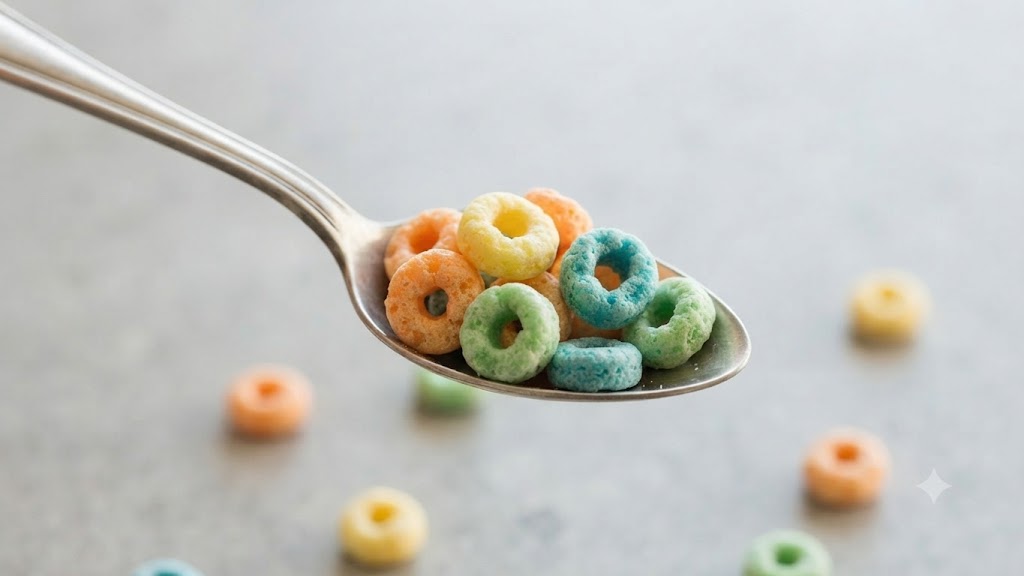
Boxes often display words like:
- Whole Grain
- High Fiber
- Vitamin Fortified
Yet many cereals contain significant amounts of:
- Added sugar
- Refined grains
- Artificial flavors
Children’s cereals are especially concerning.
Always read the nutrition label instead of relying solely on front-of-package marketing.
5. Flavored Yogurt
Plain yogurt can be an excellent source of:
- Protein
- Calcium
- Probiotics
However, flavored varieties frequently include:
- Added sugar
- Artificial flavors
- Sweetened fruit preparations
Some single-serving yogurts contain sugar levels comparable to desserts.
Better Choice
Choose plain Greek yogurt and add:
- Fresh berries
- Nuts
- Cinnamon
6. Processed Deli Meats

Ham, bacon, sausage, salami, and hot dogs are convenient but highly processed.
These foods are typically high in:
- Sodium
- Preservatives
- Saturated fat
Frequent consumption has been linked in observational studies with increased risks of certain chronic diseases, particularly when consumed in large amounts over time.
Better protein choices include:
- Chicken breast
- Fish
- Eggs
- Beans
- Lentils
7. Energy Drinks
Energy drinks may temporarily improve alertness but often contain:
- High caffeine
- Large sugar amounts
- Multiple stimulants
Excessive intake can contribute to:
- Rapid heartbeat
- Anxiety
- Sleep disruption
- Elevated blood pressure in some individuals
Water and adequate sleep remain healthier solutions for sustained energy.
8. Packaged Snack Foods
Potato chips, cheese puffs, crackers, and similar snacks are often:
- Highly processed
- Calorie dense
- Low in nutrients
They’re engineered to be extremely palatable, making overeating easy.
Many also contain:
- Excess sodium
- Refined oils
- Artificial additives
9. Instant Noodles
Instant noodles are inexpensive and convenient.
However, they’re frequently high in:
- Sodium
- Refined flour
- Saturated fat
Most contain very little:
- Fiber
- Protein
- Vegetables
Occasional consumption is unlikely to be harmful for most people, but relying on them as a regular meal isn’t ideal.
10. Sweetened Sports Drinks

Sports drinks have a purpose—for prolonged, intense exercise.
Most people drinking them during normal daily activities don’t actually need the added sugars and electrolytes.
For everyday hydration:
- Plain water is usually sufficient.
- Fruits naturally provide electrolytes along with fiber and vitamins.
Why Ultra-Processed Foods Matter
Many foods above fall into the category known as ultra-processed foods.
These products often contain ingredients rarely used in home cooking, including:
- Artificial flavors
- Emulsifiers
- Preservatives
- Added sugars
- Refined starches
- Coloring agents
Research suggests diets high in ultra-processed foods are associated with higher risks of obesity, cardiovascular disease, and type 2 diabetes. While these studies don’t prove that every processed food directly causes disease, limiting heavily processed foods and emphasizing minimally processed options is generally recommended.
How to Spot Hidden Unhealthy Foods
Instead of trusting marketing claims, check:
Ingredient List
Ingredients are listed by weight.
If sugar appears among the first few ingredients, consider another option.
Sugar may also appear under names such as:
- High-fructose corn syrup
- Cane sugar
- Dextrose
- Maltose
- Brown rice syrup
- Agave syrup
Nutrition Facts
Pay attention to:
- Added sugars
- Sodium
- Saturated fat
- Serving size
A product may appear healthy until you realize one package contains multiple servings.
Healthier Everyday Swaps
| Instead of… | Try… |
|---|---|
| Soda | Sparkling water |
| Fruit juice | Whole fruit |
| Sugary cereal | Oatmeal |
| Flavored yogurt | Plain Greek yogurt |
| Chips | Air-popped popcorn |
| Candy | Mixed nuts |
| Sweet coffee | Black coffee with a splash of milk |
| Energy drink | Water and a balanced snack |
| Instant noodles | Whole-grain noodles with vegetables |
| Processed meat | Grilled chicken or beans |
Building a Healthier Diet
Healthy eating doesn’t require eliminating every favorite food.
Instead, focus on balance by:
- Eating more vegetables and fruits
- Choosing whole grains
- Including lean proteins
- Drinking plenty of water
- Limiting added sugars
- Reducing ultra-processed foods
- Reading nutrition labels
- Cooking more meals at home
Small, consistent changes often have a greater impact than restrictive diets.
Frequently Asked Questions
Is fruit juice bad for you?
Not necessarily. One hundred percent fruit juice provides vitamins, but it lacks much of the fiber found in whole fruit and can be high in natural sugars. Drinking it in moderation is generally recommended.
Are diet sodas healthier than regular soda?
Diet sodas eliminate added sugar, but research on their long-term health effects is ongoing. Water remains the best everyday beverage.
Is flavored yogurt unhealthy?
Many flavored yogurts contain added sugars. Plain yogurt with fresh fruit is often a healthier option.
Should I completely avoid processed foods?
No. Not all processed foods are unhealthy. Frozen vegetables, canned beans (with reduced sodium), plain yogurt, and whole-grain bread can fit into a healthy diet. The goal is to limit heavily processed foods high in added sugars, sodium, and unhealthy fats.
What is the healthiest drink?
For most people, plain water is the healthiest choice. Unsweetened tea and coffee can also be part of a balanced diet when consumed in moderation.
Final Thoughts
If you’re wondering what common food or drink is secretly terrible for your health, the answer isn’t one specific item—it’s the pattern of regularly consuming foods and drinks that are high in added sugars, refined carbohydrates, sodium, and heavily processed ingredients.
Instead of chasing trendy “superfoods,” focus on simple habits: eat more whole foods, read nutrition labels, and choose minimally processed options whenever possible. Over time, these small decisions can support better energy, weight management, heart health, and overall well-being.
Scientific References
| Anchor Text | URL |
|---|---|
| World Health Organization (Healthy Diet) | https://www.who.int/news-room/fact-sheets/detail/healthy-diet |
| U.S. Centers for Disease Control and Prevention – Healthy Eating | https://www.cdc.gov/nutrition/ |
| American Heart Association – Healthy Eating | https://www.heart.org/en/healthy-living/healthy-eating |
| Harvard T.H. Chan School of Public Health – The Nutrition Source | https://nutritionsource.hsph.harvard.edu/ |
| National Institutes of Health – Office of Dietary Supplements | https://ods.od.nih.gov/ |
| U.S. Food and Drug Administration – Nutrition Facts Label | https://www.fda.gov/food/nutrition-facts-label |
| Dietary Guidelines for Americans | https://www.dietaryguidelines.gov/ |
Disclaimer: This article is for educational purposes only and should not be considered medical advice. Consult a qualified healthcare professional or registered dietitian for personalized dietary recommendations.
Also Read
Healthy Food Most People Think Is Unhealthy: The Truth May Surprise You