

Bleeding Gums May Indicate More Than Oral Health Problems
Many people dismiss bleeding gums as a minor inconvenience that happens during brushing or flossing. However, dental experts are warning that persistent bleeding gums could be an early sign of broader health concerns, including heart disease, stroke, and diabetes. New expert commentary highlights the growing evidence connecting oral health with overall health, emphasizing that the mouth is closely linked to the rest of the body.

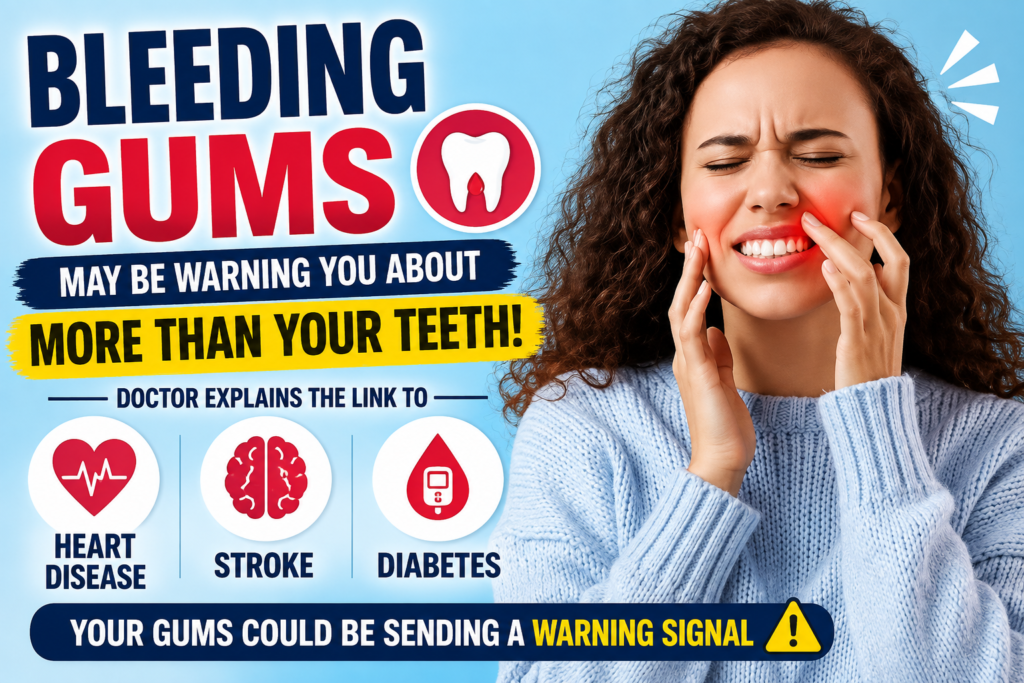
How Gum Disease Can Affect the Entire Body
According to dental experts, advanced gum disease (periodontitis) is a chronic inflammatory condition that damages the tissues supporting the teeth. When gums become inflamed, tiny openings can allow bacteria and their toxins to enter the bloodstream.
Once these bacteria circulate through the body, the immune system responds by producing inflammatory proteins. Over time, this chronic inflammation may contribute to blood vessel damage and increase the risk of cardiovascular problems, including heart attacks and ischemic strokes. While researchers have found associations between gum disease and heart disease, they continue to study the exact cause-and-effect relationship.
A Strong Two-Way Link With Diabetes
Among the conditions associated with gum disease, diabetes has one of the strongest relationships.
Inflamed gums can make it more difficult for the body to regulate blood sugar by increasing insulin resistance. At the same time, elevated blood sugar weakens the immune system and slows healing, allowing gum disease to worsen.
Experts describe this as a cycle in which poor oral health and uncontrolled diabetes can reinforce each other, making both conditions harder to manage.
Common Warning Signs You Shouldn’t Ignore
Gum disease often develops without significant pain, making it easy to overlook during its early stages. Experts recommend paying attention to symptoms such as:
- Bleeding while brushing or flossing
- Persistent bad breath
- Red or swollen gums
- Gum recession
- Increased tooth sensitivity
- Loose teeth in advanced stages
If these symptoms continue, a dental examination is recommended rather than assuming they will resolve on their own.
Who Is Most at Risk?
Certain groups are more likely to develop severe gum disease, including:
- People living with diabetes
- Smokers and tobacco users
- Individuals with poor oral hygiene
- People with cardiovascular disease
- Those taking medications that cause dry mouth
- Pregnant women
Regular dental visits and early treatment can help reduce the progression of gum disease before serious complications develop.
Can Treating Gum Disease Improve Overall Health?
Experts caution that treating gum disease is not a substitute for medical care from a physician or cardiologist. However, reducing chronic oral inflammation may help lower overall inflammation in the body and improve blood vessel function.
Several clinical studies have reported improvements in markers of vascular health following intensive periodontal treatment, although more research is needed to fully understand the long-term benefits.
Simple Habits to Protect Your Oral and Overall Health
Dental professionals recommend these everyday habits:
- Brush twice a day with fluoride toothpaste.
- Floss or clean between teeth daily.
- Replace your toothbrush every three months.
- Avoid smoking and smokeless tobacco.
- Manage blood sugar if you have diabetes.
- Stay hydrated.
- Visit your dentist every six months, or more frequently if you’re at higher risk.
Experts also emphasize that professional dental cleaning (scaling) is safe and removes hardened plaque and tartar that cannot be eliminated by brushing alone.
Bottom Line
Bleeding gums should never be considered a normal part of brushing. While occasional irritation can occur, persistent bleeding may indicate gum disease that deserves professional attention. As research continues to reveal connections between oral health and chronic conditions such as heart disease, stroke, and diabetes, maintaining healthy gums is becoming recognized as an important part of overall wellness.
Taking care of your mouth isn’t just about protecting your smile—it may also support your long-term health.