

Gingivitis and periodontitis are two common forms of gum disease, but they are not the same condition. Gingivitis is generally an early, reversible form of gum inflammation, while periodontitis is a more advanced disease that can damage the tissues and bone supporting the teeth.
Understanding the difference between gingivitis vs periodontitis can help you recognize warning signs early and know when professional dental care is important.
In this guide, we’ll explain the causes, symptoms, severity, treatment options, and key differences between gingivitis and periodontitis.
Quick answer: Gingivitis affects the gums and is usually reversible with effective plaque control and professional care when needed. Periodontitis involves damage to the structures supporting the teeth and requires professional evaluation and treatment.

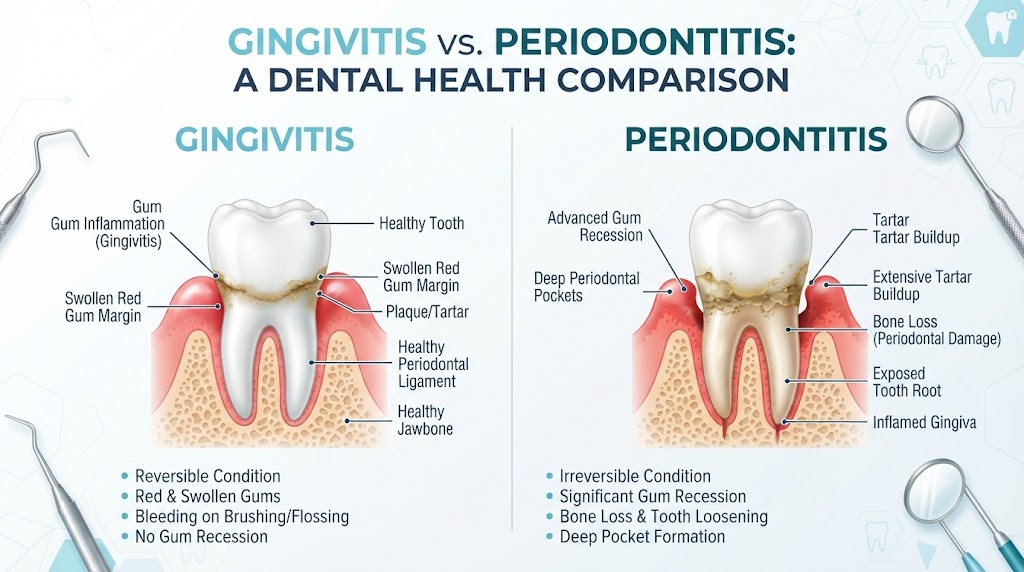
What Is Gingivitis?
Gingivitis is inflammation of the gums, usually associated with plaque buildup around the teeth.
Dental plaque is a sticky bacterial biofilm that continuously forms on teeth. When plaque is not adequately removed through regular oral hygiene, it can irritate the gum tissue.
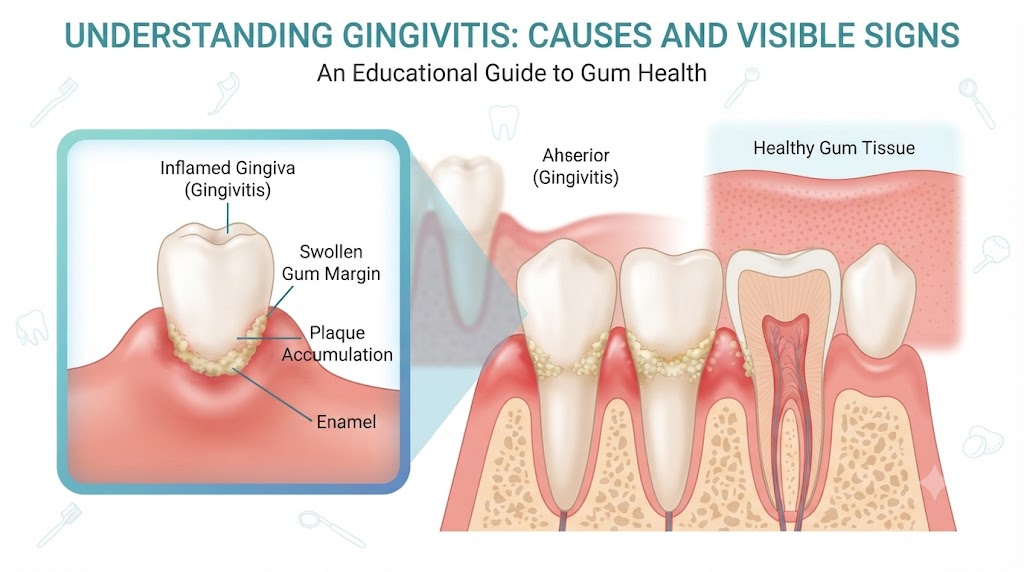
Common signs include:
- Red or swollen gums
- Gums that bleed during brushing or flossing
- Tender gums
- Bad breath
- Changes in the appearance of the gumline
The good news is that plaque-induced gingivitis is generally reversible when plaque is effectively controlled with appropriate oral hygiene and professional dental care when necessary.
The National Institute of Dental and Craniofacial Research (NIDCR) explains that gingivitis is a mild form of gum disease and can usually be reversed with daily brushing and cleaning between the teeth.
Is gingivitis serious?
Gingivitis should not simply be ignored because bleeding gums are not considered a sign of healthy gums.
However, gingivitis does not involve the same type of attachment and bone destruction that characterizes periodontitis.
The earlier gum inflammation is addressed, the better the opportunity to maintain healthy gums and prevent progression to more serious periodontal disease.
What Is Periodontitis?
Periodontitis is a more advanced form of periodontal disease that affects the tissues supporting the teeth.
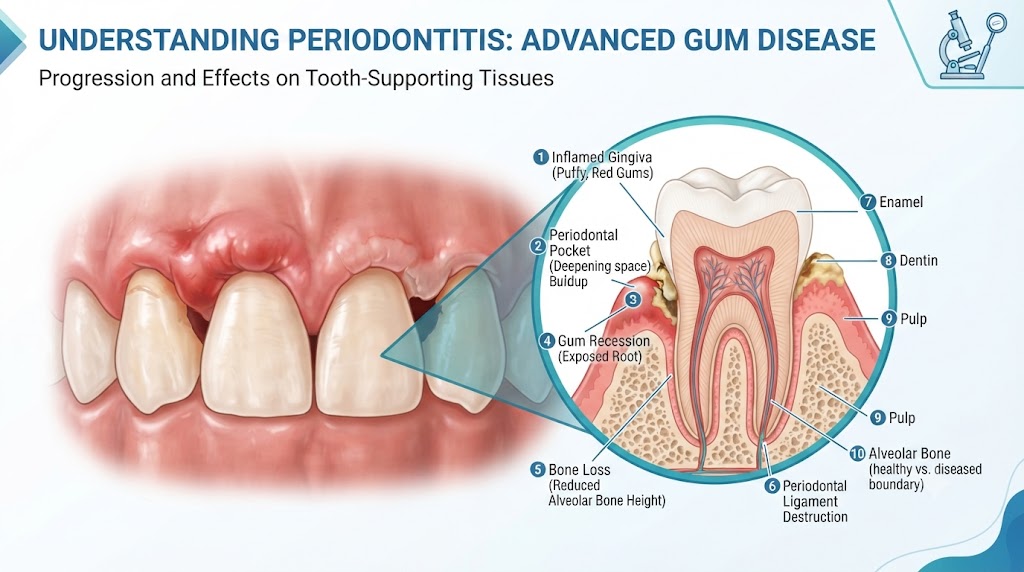
Unlike uncomplicated gingivitis, periodontitis can involve:
- Loss of attachment around teeth
- Periodontal pocket formation
- Gum recession
- Bone loss
- Loose teeth
- Difficulty chewing
- Eventually, tooth loss in severe cases
The American Dental Association describes periodontitis as an inflammatory disease involving loss of periodontal tissue attachment and alveolar bone.
Periodontitis is therefore more than simply having red or bleeding gums. It can progressively damage the structures that keep teeth anchored in the jaw.
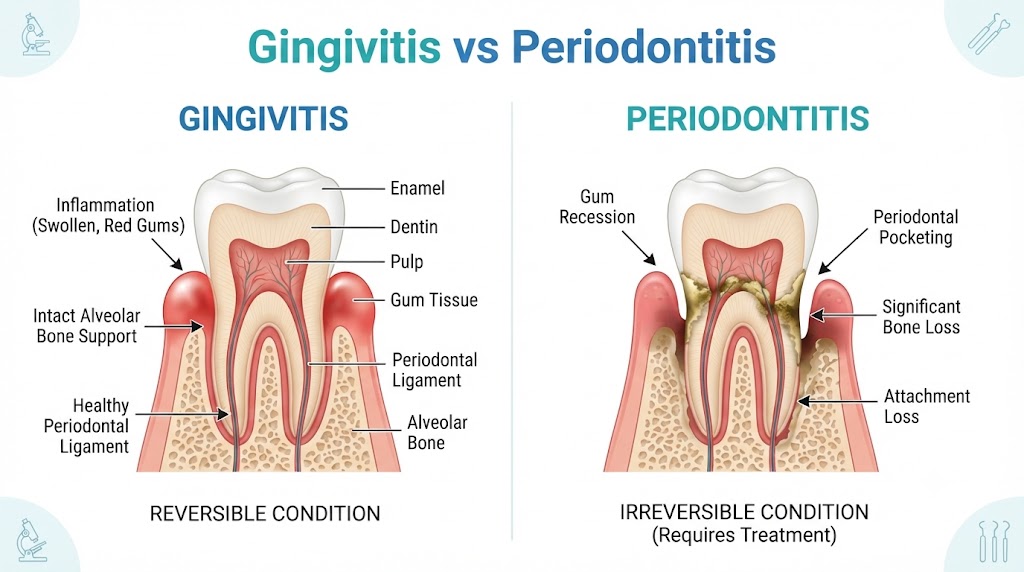
Gingivitis vs Periodontitis: Key Differences
The easiest way to understand the difference is to look at what tissues are affected and whether permanent supporting-tissue damage has occurred.
| Feature | Gingivitis | Periodontitis |
|---|---|---|
| Main problem | Gum inflammation | Inflammation with destruction of tooth-supporting tissues |
| Common signs | Red, swollen or bleeding gums | Bleeding, swollen or receding gums, pockets, loose teeth |
| Bone loss | Not characteristic | Can occur |
| Attachment loss | Not characteristic | Can occur |
| Gum pockets | Usually not pathologically deep | Periodontal pockets may develop |
| Reversible? | Usually reversible | Requires professional management; existing tissue/bone loss may not simply reverse |
| Professional treatment | Sometimes needed | Usually necessary |
| Risk of tooth loss | Low when managed | Can become significant in advanced disease |
NIDCR notes that gum disease can begin with swollen, red, and bleeding gums and, if it progresses, can spread to the bone surrounding the teeth.
The biggest difference
The most important distinction is damage to the supporting structures of the teeth.
Gingivitis primarily involves inflammation of the gums.
Periodontitis involves inflammation associated with loss of attachment and supporting bone, making it a more serious condition.
Gingivitis Symptoms
Gingivitis can sometimes develop without significant pain, which is one reason people may overlook it.
Possible symptoms include:
1. Bleeding gums
You may notice blood when brushing or cleaning between your teeth.
2. Red gums
Healthy gums generally have a healthy, firm appearance. Inflammation can make them appear redder than usual.
3. Swollen gums
Inflamed gum tissue may look puffy or swollen around the teeth.
4. Tender gums
Some people experience gum sensitivity or tenderness.
5. Persistent bad breath
Bad breath can have multiple causes, but persistent odor may be associated with oral bacterial buildup or gum disease.
6. Plaque buildup
Visible plaque around the gumline can contribute to inflammation.
If you regularly notice bleeding or swollen gums, it is worth discussing the symptoms with a dental professional rather than assuming they are normal.
Periodontitis Symptoms
Periodontitis can produce many of the same symptoms as gingivitis, but additional warning signs may appear as supporting tissues become affected.
Possible signs include:
- Persistent gum bleeding
- Gum recession
- Teeth appearing longer because the gums have receded
- Deep periodontal pockets
- Persistent bad breath
- Loose or shifting teeth
- Pain or difficulty while chewing
- Increased tooth sensitivity
- Changes in how teeth fit together
- Tooth loss in advanced cases
NIDCR lists red, swollen, tender, or bleeding gums, gum recession, loose or sensitive teeth, chewing discomfort, and persistent bad breath among symptoms associated with periodontal disease.
Importantly, the absence of severe pain does not necessarily mean there is no periodontal disease.
Can Gingivitis Turn Into Periodontitis?
Yes, untreated gum inflammation can be associated with progression to more advanced periodontal disease, but the progression is not inevitable for everyone.
Plaque that remains on teeth can harden into calculus, commonly called tartar. Calculus cannot be removed effectively with ordinary brushing and flossing and generally requires professional dental cleaning.
Persistent plaque and calculus can contribute to continuing gum inflammation and periodontal disease.
However, periodontal disease is influenced by more than plaque alone. Individual susceptibility and factors such as smoking, diabetes, genetics, and certain medications can affect risk and disease progression.
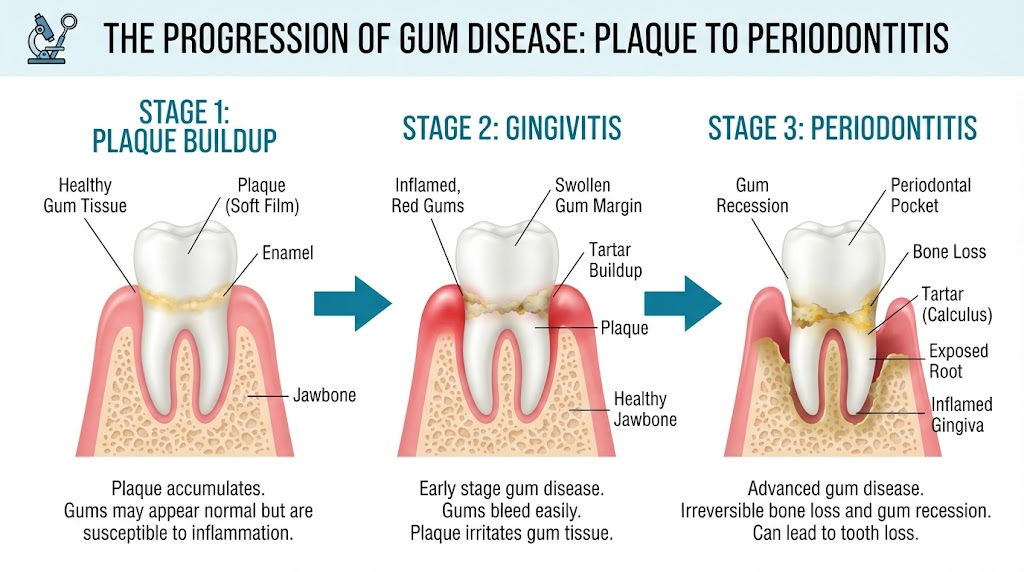
A simple way to think about the progression
Plaque buildup → Gingival inflammation → Persistent periodontal inflammation → Supporting-tissue damage → Possible tooth loss
This is a simplified model rather than a guaranteed sequence for every person.
What Causes Gingivitis and Periodontitis?
The main initiating factor for common plaque-associated gum disease is the accumulation of dental plaque.
Plaque contains bacteria and other components that interact with the tissues around the teeth.
When plaque isn’t adequately removed:
- Plaque accumulates around the gumline.
- The gums become inflamed.
- Plaque can harden into calculus.
- Persistent inflammation can contribute to periodontal tissue destruction in susceptible individuals.
- Advanced disease can damage the tissues and bone supporting the teeth.
NIDCR identifies inadequate plaque removal and calculus buildup as important contributors to gum disease.
Risk Factors for Gingivitis and Periodontitis
Some people have a higher risk of developing gum disease or experiencing more severe disease.
Important risk factors include:
Smoking
Smoking is one of the major risk factors for periodontal disease and can also make treatment less successful.
Diabetes
Diabetes is associated with an increased risk of periodontal disease, particularly when blood glucose is poorly controlled.
Poor plaque control
Inadequate brushing and cleaning between teeth can allow plaque to accumulate.
Genetics
Individual genetic susceptibility can influence periodontal disease risk.
Hormonal changes
Hormonal changes can affect gum tissues and may increase sensitivity to inflammation.
Certain medications and medical conditions
Some conditions and medications can affect oral health and periodontal disease risk.
How Are Gingivitis and Periodontitis Diagnosed?
You cannot reliably determine the difference between gingivitis and periodontitis just by looking in the mirror.
A dental professional may evaluate:
- Gum color and swelling
- Bleeding
- Gum recession
- Periodontal pocket depth
- Tooth mobility
- Attachment levels
- Bone levels using dental X-rays when appropriate
- Medical and dental history
A periodontal probe is commonly used to measure the spaces around teeth. NIDCR notes that healthy periodontal pockets are usually around 1–3 mm, while deeper measurements can indicate periodontal disease depending on the overall clinical findings. X-rays can also help identify bone loss.
Why diagnosis matters
Two people can both have bleeding gums but have very different underlying conditions.
One person may have gingivitis.
Another may have periodontitis with attachment and bone loss.
A dental examination can distinguish between these conditions.
Gingivitis Treatment
The goal of gingivitis treatment is to control plaque and reduce gum inflammation.
Depending on the individual situation, this may include:
Improve daily brushing
Brush your teeth twice a day using fluoride toothpaste.
Clean between your teeth
Floss or use another appropriate interdental cleaning method to remove plaque from areas a toothbrush cannot effectively reach.
Professional dental cleaning
If calculus has accumulated, a dental professional can remove it.
Address contributing factors
Smoking cessation and management of relevant medical conditions can be important parts of maintaining periodontal health.
NIDCR recommends brushing twice daily with fluoride toothpaste, cleaning between teeth regularly, routine dental visits, and quitting smoking as important measures for maintaining gum health.
Periodontitis Treatment
Treatment for periodontitis depends on the severity and individual circumstances.
Professional treatment may include:
- Detailed oral-hygiene instruction
- Professional removal of plaque and calculus
- Scaling and root planing
- Periodontal maintenance
- Additional periodontal procedures when indicated
- Referral to a periodontist for more complex cases
The American Dental Association identifies scaling and root planing as an important nonsurgical treatment approach for periodontitis, with treatment decisions based on the patient’s condition and clinical needs.
Can periodontitis be cured at home?
Home oral hygiene is extremely important, but established periodontitis should not be treated as a condition that can simply be reversed with home remedies.
Brushing and cleaning between teeth help control plaque, but they cannot remove hardened calculus beneath the gumline or independently diagnose the extent of periodontal damage.
Professional evaluation and treatment are important when periodontitis is suspected.
Can You Prevent Gingivitis and Periodontitis?
Many cases of gum disease can be prevented or managed by maintaining consistent oral hygiene and receiving appropriate professional dental care.
Follow these basic habits:
1. Brush twice daily
Use fluoride toothpaste and clean all tooth surfaces.
2. Clean between your teeth
Use floss, interdental brushes, or another method recommended by your dental professional.
3. Don’t ignore bleeding gums
Repeated bleeding should be evaluated rather than dismissed as normal.
4. Get regular dental examinations
Professional examinations can identify gum problems before they become more advanced.
5. Don’t smoke
Smoking substantially increases periodontal disease risk and can interfere with treatment outcomes.
6. Manage health conditions
Conditions such as diabetes can influence periodontal health.
When Should You See a Dentist?
Consider scheduling a dental appointment if you experience:
- Gums that regularly bleed
- Persistent gum swelling
- Gum recession
- Persistent bad breath
- Loose teeth
- Pain while chewing
- Increasing tooth sensitivity
- Changes in your bite
- Teeth that appear to be shifting
You should also seek professional evaluation if you simply notice that your gums don’t look or feel healthy.
The earlier periodontal problems are identified, the more opportunity there is to manage them before they become more severe.
Gingivitis vs Periodontitis: Frequently Asked Questions
Is gingivitis worse than periodontitis?
No. Periodontitis is generally more serious because it can damage the tissues and bone supporting the teeth. Gingivitis primarily involves inflammation of the gums and is generally reversible when appropriately managed.
Can gingivitis be reversed?
Plaque-induced gingivitis is generally reversible with effective plaque control and appropriate professional care when needed.
Can periodontitis be reversed?
Periodontitis can be treated and managed, but established attachment and bone loss should not be assumed to simply reverse with brushing or home remedies. Professional periodontal care is important.
Does gingivitis always become periodontitis?
No. Gingivitis does not inevitably progress to periodontitis. However, persistent inflammation and inadequate plaque control can contribute to periodontal disease progression, particularly in susceptible individuals.
Is bleeding while brushing normal?
Bleeding gums can be a sign of gum inflammation and should not be considered a normal feature of healthy gums, especially when it happens repeatedly.
Can you have periodontitis without pain?
Yes. Gum disease may not cause severe pain, particularly in its earlier stages. This is one reason regular dental examinations are important.
Can brushing remove tartar?
No. Brushing and flossing help remove plaque, but hardened tartar or calculus generally requires professional removal.
Is periodontitis the same as gum disease?
Periodontal or gum disease is a broad term. Gingivitis and periodontitis are different stages/conditions within the spectrum of periodontal disease.
Gingivitis vs Periodontitis: The Bottom Line
The main difference between gingivitis and periodontitis is the extent of disease.
Gingivitis = inflammation of the gums.
Periodontitis = inflammation associated with destruction of the tissues supporting the teeth, including possible attachment and bone loss.
Gingivitis is generally reversible when properly managed, while periodontitis requires professional diagnosis and ongoing management to control the disease and protect the supporting structures of the teeth.
If your gums frequently bleed, look swollen or red, recede, or if your teeth feel loose, don’t wait for severe pain before getting checked.
Good oral hygiene, cleaning between the teeth, professional dental care, and addressing risk factors such as smoking can all play important roles in maintaining healthy gums.
Also Read
Bleeding Gums Could Be an Early Warning Sign of Heart Disease, Stroke, and Diabetes, Experts Say
What Causes Bad Breath? Halitosis Explained (July 2026)
Scientific References & Further Reading
The following authoritative and scientific resources were consulted for information about gingivitis, periodontitis, periodontal disease symptoms, diagnosis, risk factors, and treatment:
- National Institute of Dental and Craniofacial Research (NIDCR) – Periodontal (Gum) Disease
Comprehensive information covering the causes, symptoms, diagnosis, treatment, and prevention of periodontal disease.
Read the NIDCR Periodontal Disease Guide - American Dental Association (ADA) – Periodontitis
Evidence-based information covering periodontitis, periodontal tissue and bone loss, diagnosis, classification, risk factors, and treatment approaches.
Read the ADA Periodontitis Overview - National Institute of Dental and Craniofacial Research (NIDCR) – Periodontal Disease Statistics
Epidemiological information and statistics concerning periodontal disease in adults.
View NIDCR Periodontal Disease Statistics - NIDCR – Periodontal Disease in Adults Age 30 or Older
Provides CDC/AAP periodontal disease definitions and U.S. prevalence data for mild, moderate, and severe periodontitis.
View NIDCR Adult Periodontal Disease Data - European Federation of Periodontology (EFP) – Clinical Guidelines
Evidence-based clinical guidelines for the treatment of periodontitis, including recommendations based on the modern periodontal disease classification system.
View EFP Clinical Guidelines - EFP – Guideline on Treatment of Stage I–III Periodontitis
Evidence-based recommendations covering periodontal treatment for stages I, II, and III periodontitis.
View the EFP Stage I–III Periodontitis Guideline - American Dental Association – Oral Health Topics
ADA’s collection of clinically relevant, evidence-based resources covering a wide range of dental and oral-health conditions.
Explore ADA Oral Health Topics
Key Scientific Publications
Papapanou PN, Sanz M, Buduneli N, et al. (2018). Periodontitis: Consensus report of Workgroup 2 of the 2017 World Workshop on the Classification of Periodontal and Peri-Implant Diseases and Conditions. Journal of Clinical Periodontology, 45(Suppl 20), S162–S170.
This consensus report established the modern classification framework for periodontitis.
View the scientific publication via the ADA reference list
Chapple ILC, Mealey BL, Van Dyke TE, et al. (2018). Periodontal health and gingival diseases and conditions on an intact and a reduced periodontium: Consensus report of Workgroup 1 of the 2017 World Workshop. Journal of Clinical Periodontology, 45(Suppl 20), S68–S77.
This consensus work provides important information about periodontal health and gingival diseases.
View the ADA scientific references
Medical Disclaimer
This article is for general educational and informational purposes only and is not a substitute for professional dental diagnosis, treatment, or medical advice. If you have persistent bleeding, swollen gums, gum recession, loose teeth, significant pain, or other concerning symptoms, consult a qualified dentist or dental professional.
These references are provided for educational purposes and do not replace an examination or diagnosis from a qualified dental professional. Treatment decisions for gingivitis or periodontitis should be based on an individual’s clinical examination, periodontal measurements, medical history, and other appropriate diagnostic information.