

Plaque vs tartar is a common oral-health question, but the two are not the same. Plaque is a soft, sticky film that forms on your teeth throughout the day, while tartar—also called dental calculus—is hardened plaque that cannot usually be removed with regular brushing and flossing.
Understanding the difference between plaque and tartar can help you take better care of your teeth and gums and recognize when professional dental cleaning may be necessary.
In this guide, we’ll explain what plaque is, what tartar is, how plaque turns into tartar, the signs to watch for, and the best ways to prevent both.

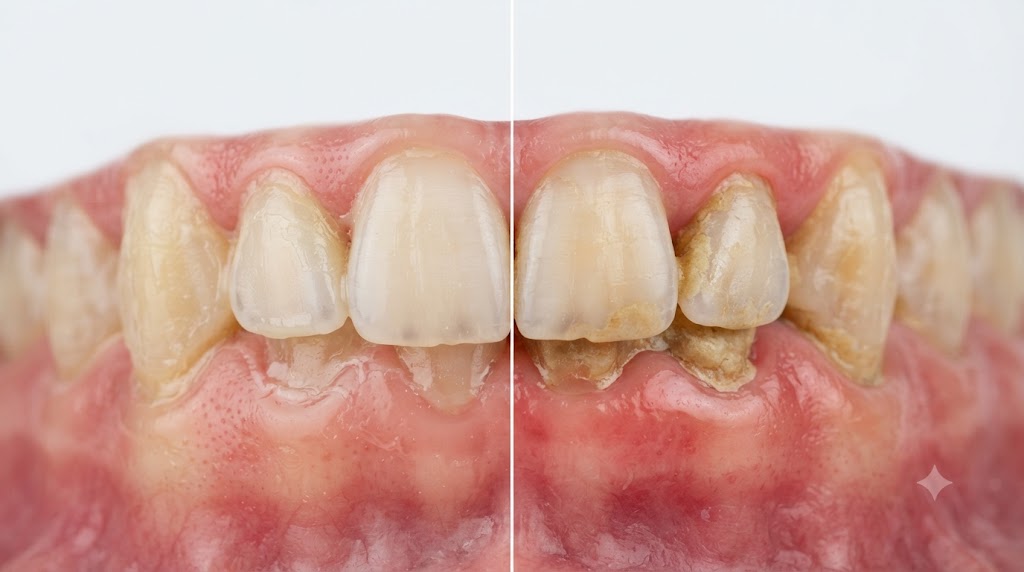
What Is Dental Plaque?

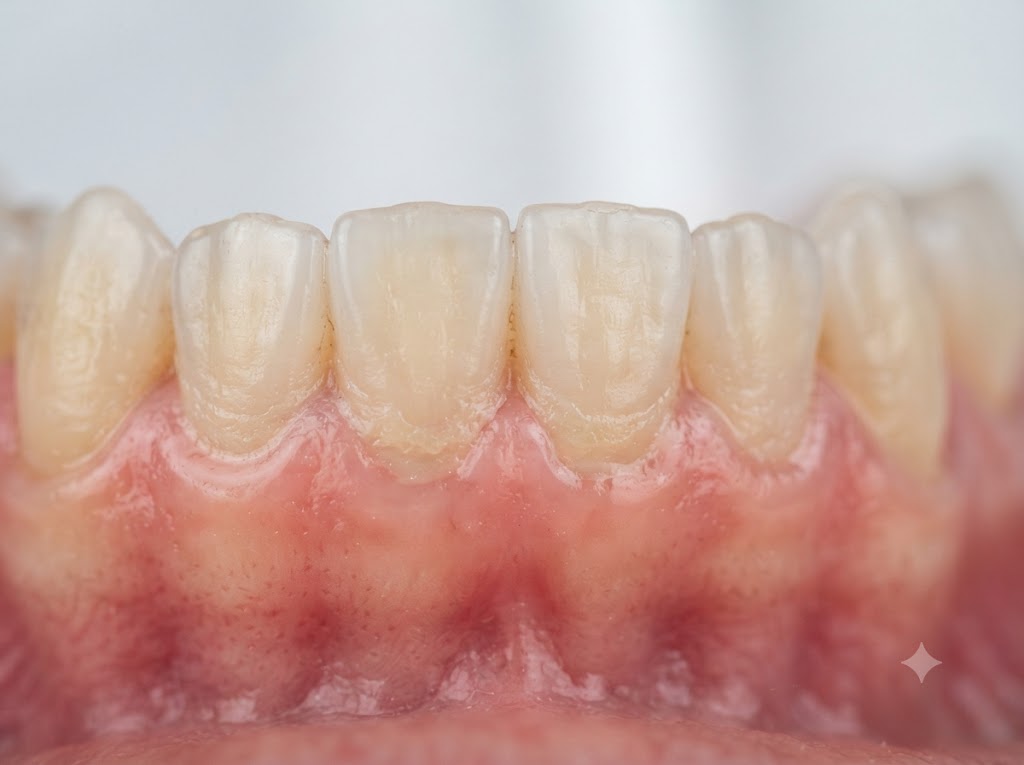
Dental plaque is a sticky, colorless or pale-yellow film of bacteria that continuously forms on your teeth.
Your mouth naturally contains hundreds of types of bacteria. When you eat foods containing carbohydrates and sugars, some bacteria use those nutrients and produce acids. These acids can contribute to tooth enamel damage and cavities.
Plaque can also irritate the gum tissue around your teeth. If it isn’t regularly removed, it may contribute to problems such as gingivitis, the earliest stage of gum disease.
Where Does Plaque Build Up?
Plaque commonly accumulates:
- Along the gumline
- Between teeth
- Around dental fillings and crowns
- On the back surfaces of teeth
- Around orthodontic appliances
- In other areas that are difficult to clean
Because plaque is soft, it can usually be removed with proper brushing and cleaning between the teeth.
What Is Tartar?
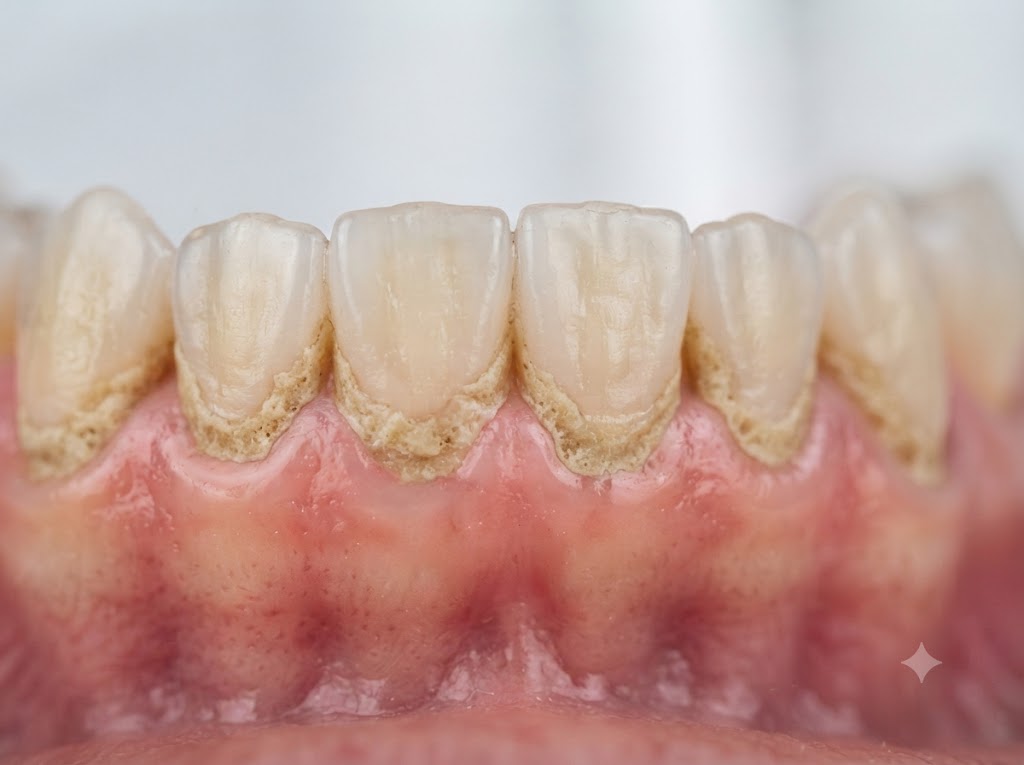
Tartar, medically known as dental calculus, is plaque that has hardened over time because of minerals in saliva.
Unlike soft plaque, tartar forms a hard, crusty deposit that is strongly attached to the tooth surface. Once tartar has developed, brushing and flossing alone generally cannot remove it.
Tartar can develop above the gumline or below the gumline. Calculus below the gums can be particularly concerning because it can make it easier for bacteria and plaque to remain around the teeth and contribute to gum inflammation.
Professional dental cleaning is typically required to safely remove established tartar.
Plaque vs Tartar: Key Differences
Although plaque and tartar are related, there are several important differences.
| Feature | Plaque | Tartar |
|---|---|---|
| Texture | Soft and sticky | Hard and crusty |
| Formation | Forms continuously | Develops when plaque mineralizes |
| Appearance | Usually clear or pale yellow | Yellow, brown, or darker deposits |
| Removal | Can usually be removed at home | Usually requires professional cleaning |
| Main concern | Can contribute to cavities and gum inflammation | Can contribute to persistent gum irritation and periodontal problems |
| Prevention | Brushing, flossing, and oral hygiene | Prevent plaque from accumulating and get regular dental cleanings |
The simplest way to remember the difference is:
Plaque is soft bacterial buildup. Tartar is hardened, mineralized plaque.
How Does Plaque Turn Into Tartar?
Plaque does not automatically become tartar immediately. However, when plaque remains on the teeth and is not adequately removed, minerals in saliva can gradually harden it.
The process generally works like this:
Food and bacteria → Plaque forms → Plaque remains on teeth → Minerals accumulate → Tartar develops
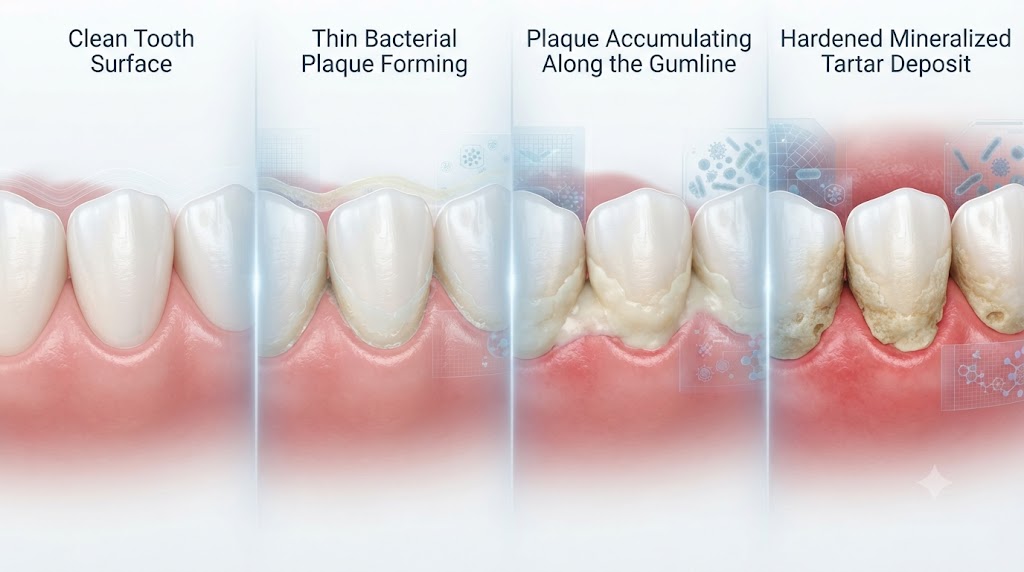
The speed at which tartar forms varies between individuals. Saliva composition, oral hygiene habits, diet, tooth positioning, and other factors can influence buildup.
This is one reason consistent oral hygiene is important. Removing plaque before it hardens is much easier than trying to remove established calculus later.
Is Plaque More Dangerous Than Tartar?
Neither should be ignored, but they present different concerns.
Plaque contains bacteria that can produce acids and irritate the gums. If plaque remains on the teeth, it can contribute to tooth decay and gingivitis.
Tartar is problematic because its rough surface can provide additional areas where plaque and bacteria accumulate. Tartar near or beneath the gumline can also make effective cleaning more difficult.
If gum inflammation progresses, it may develop into periodontitis, a more serious form of gum disease that can damage the tissues and bone supporting the teeth.
That’s why controlling plaque early is one of the most important parts of preventing tartar buildup and maintaining healthy gums.
Signs You May Have Plaque
Plaque isn’t always easy to see, but possible signs include:
- A fuzzy or slippery feeling on your teeth
- Bad breath
- Food or bacterial buildup between teeth
- Red or swollen gums
- Bleeding when brushing or flossing
- A sticky film along the gumline
Bleeding gums can have several causes, so persistent bleeding should be discussed with a dental professional.
Signs of Tartar Buildup
Tartar is often easier to notice because it can appear as a hardened deposit.
Possible signs include:
- Yellow or brown deposits around the gumline
- Rough areas on the teeth
- Persistent buildup that doesn’t disappear after brushing
- Bad breath
- Red or irritated gums
- Bleeding gums
- Gum recession in more advanced cases
Tartar can sometimes form in areas that are difficult to see, including behind the lower front teeth.
Can You Remove Plaque at Home?
Yes. Soft plaque can generally be controlled with a consistent oral-hygiene routine.
A good daily routine includes:
1. Brush Twice a Day
Brush your teeth twice daily using fluoride toothpaste. Spend enough time cleaning all tooth surfaces, including the gumline and difficult-to-reach areas.
Avoid aggressive scrubbing because brushing too hard can irritate your gums and contribute to tooth wear.
2. Clean Between Your Teeth
A toothbrush cannot effectively clean every surface between teeth.
Use dental floss or another dentist-recommended interdental cleaning method to remove plaque from these spaces.
3. Clean Your Tongue
Bacteria and debris can accumulate on the tongue. Gently cleaning your tongue can be a useful part of an overall oral-hygiene routine.
4. Limit Frequent Sugary Snacks
Frequently consuming sugary foods and drinks can increase the conditions that allow cavity-causing bacteria to produce acids.
Choose water more often and maintain a balanced diet.
Can You Remove Tartar at Home?
Established tartar generally cannot be safely removed with ordinary brushing and flossing.
You may find online advice recommending scraping tartar away with sharp objects or household tools. This is not recommended because attempting to remove hardened calculus yourself can damage your gums, tooth enamel, or dental restorations.
A dental professional can assess the buildup and remove calculus using appropriate instruments.
Home care is most useful for preventing new plaque from accumulating and hardening into tartar.
How to Prevent Tartar Buildup
The best approach to tartar prevention is to reduce plaque accumulation.
Consider these habits:
- Brush twice daily with fluoride toothpaste
- Clean between your teeth every day
- Replace your toothbrush or toothbrush head regularly
- Avoid frequently sipping sugary beverages
- Drink water throughout the day
- Don’t smoke or use tobacco products
- Maintain regular dental checkups and professional cleanings
- Follow personalized recommendations from your dentist
Even with excellent oral hygiene, some people naturally develop calculus more quickly than others. Regular professional examinations can help identify and manage buildup.
Plaque vs Tartar and Gum Disease
One of the most important reasons to understand the difference between plaque and tartar is their relationship with gum disease.
Gingivitis occurs when the gums become inflamed, often because of plaque accumulation around the gumline. Common symptoms include redness, swelling, and bleeding.
If gum disease is not addressed, it can progress to periodontitis, which can affect the structures supporting the teeth.
Tartar doesn’t necessarily mean that someone will develop severe gum disease, but hardened calculus can make plaque control more difficult and is associated with periodontal disease.
Early attention to gum inflammation can therefore be important for protecting long-term oral health.
When Should You See a Dentist?
Consider scheduling a dental appointment if you notice:
- Persistent bleeding gums
- Swollen or painful gums
- Significant tartar buildup
- Persistent bad breath
- Loose teeth
- Receding gums
- Tooth sensitivity
- Pain when chewing
- Changes in the way your teeth fit together
A dentist can determine whether the issue is simply plaque buildup, tartar, gingivitis, periodontal disease, tooth decay, or another oral-health problem.
Frequently Asked Questions
Is tartar just hardened plaque?
Yes. Tartar is essentially mineralized, hardened dental plaque. Once plaque becomes calculus, it generally cannot be removed effectively with normal brushing and flossing.
Can brushing remove tartar?
Brushing can help prevent plaque from hardening, but it generally cannot remove established tartar. Professional dental cleaning may be necessary.
Which is worse, plaque or tartar?
They are different stages of buildup. Plaque contains bacteria and can contribute to cavities and gum inflammation, while tartar is hardened plaque that can make plaque control more difficult.
How quickly can plaque become tartar?
There isn’t one exact timeline for everyone. Tartar formation varies depending on factors such as saliva, oral hygiene, diet, and individual biology.
Can tartar cause bad breath?
Tartar can contribute to an environment where bacteria and plaque accumulate, which may contribute to persistent bad breath. However, bad breath can have many different causes.
Is yellow buildup on teeth always tartar?
Not necessarily. Yellow discoloration can result from tartar, staining, food, certain beverages, or other causes. A dental professional can determine what the buildup actually is.
Final Thoughts: Plaque vs Tartar
The difference between plaque and tartar is simple: plaque is a soft bacterial film that develops continuously on your teeth, while tartar is plaque that has hardened after accumulating minerals.
The good news is that plaque can usually be managed through consistent daily oral hygiene. Once tartar forms, however, professional dental cleaning may be needed to remove it safely.
The most effective strategy is therefore to stop plaque from building up before it has the opportunity to harden. Brush twice daily, clean between your teeth, maintain healthy dietary habits, and keep up with regular dental visits.
Healthy gums and teeth depend less on one quick fix and more on consistent daily care.
If you have persistent bleeding, swelling, pain, gum recession, or significant tartar buildup, speak with a qualified dental professional for personalized advice.
Scientific References
- National Institute of Dental and Craniofacial Research (NIDCR) – Periodontal (Gum) Disease
Explains how plaque can build up and harden into tartar, the relationship between plaque and gum disease, symptoms, risk factors, and professional treatment.
NIDCR: Periodontal (Gum) Disease - National Institute of Dental and Craniofacial Research (NIDCR) – Oral Hygiene
Provides evidence-based guidance on brushing, cleaning between teeth, plaque removal, gingivitis, and why hardened tartar requires professional cleaning.
NIDCR: Oral Hygiene - Centers for Disease Control and Prevention (CDC) – About Periodontal (Gum) Disease
Covers plaque, tartar/calculus, gingivitis, periodontitis, periodontal pockets, and the progression of gum disease.
CDC: About Periodontal (Gum) Disease - Centers for Disease Control and Prevention (CDC) – Gum Disease Facts
Provides evidence-based information about gingivitis, periodontitis, prevention, risk factors, and oral-health outcomes.
CDC: Gum Disease Facts - Provides clinically reviewed information explaining that tartar is hardened dental plaque and generally requires professional removal. Cleveland Clinic: Tartar (Dental Calculus)
Medical Disclaimer
This article is for educational and informational purposes only and is not a substitute for professional dental diagnosis or treatment. If you have persistent bleeding, swelling, pain, gum recession, loose teeth, or significant tartar buildup, consult a qualified dental professional.
Also Read
Gingivitis vs Periodontitis: What’s the Difference between 2?
What Causes Bad Breath? Halitosis Explained (July 2026)
Bleeding Gums Could Be an Early Warning Sign of Heart Disease, Stroke, and Diabetes, Experts Say